
Retail ready packaging is designed to make products easier to stock, display, and sell in a retail environment. It is a packaging format that allows products to move from shipping to shelf with minimal handling, helping stores save time while keeping merchandise organized and attractive for shoppers.
So, what is retail ready packaging? Retail ready packaging, often called RRP, is packaging that arrives at the store already prepared for display. Instead of store employees unloading individual products and arranging them one by one, the outer package can often be placed directly onto the shelf or display after opening a perforated section or removing a cover. This makes restocking faster, improves presentation, and helps products remain consistent on the shelf.
For brands and retailers alike, retail ready packaging can offer major benefits. It supports efficiency, strengthens product visibility, and helps products stand out in crowded retail spaces.
Understanding the Basics of Retail Ready Packaging
At its core, retail ready packaging is about convenience and display. It is created so that the same package used to transport products can also function as part of the in-store presentation. Instead of thinking only about shipping protection, retail ready packaging is designed with the retail shelf in mind from the beginning.
This type of packaging is commonly used in grocery stores, warehouse clubs, pharmacies, big box retailers, convenience stores, and mass retail chains. It is especially useful for products that are sold in multiples, such as snacks, beverages, personal care items, household goods, health products, and small consumer packaged goods.
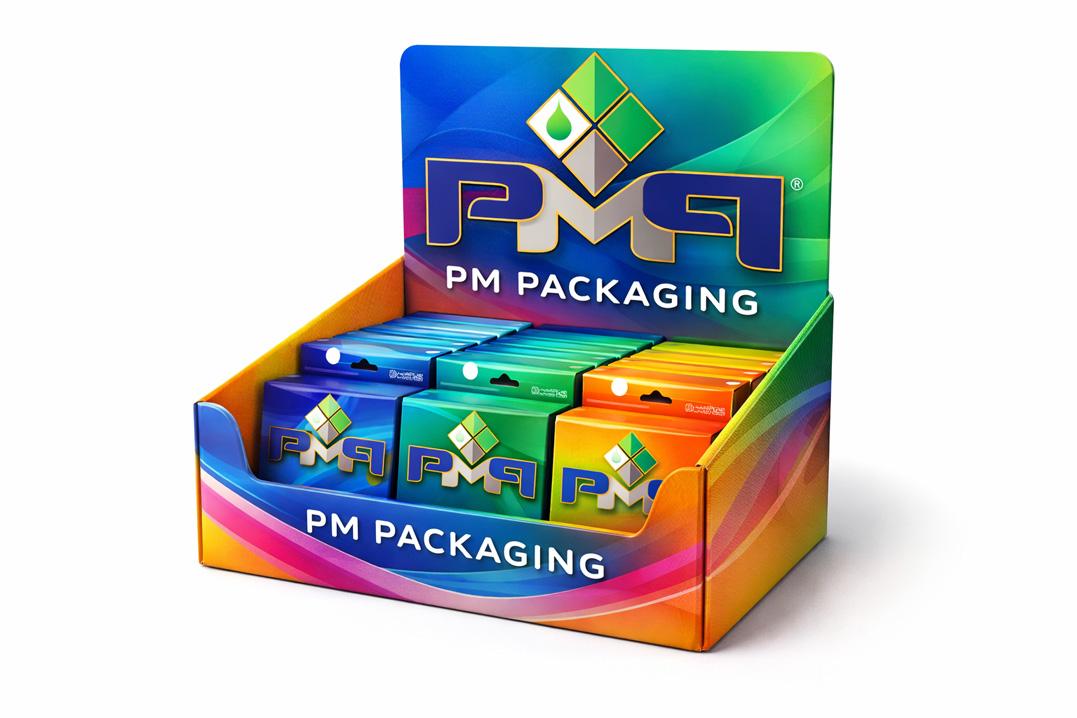
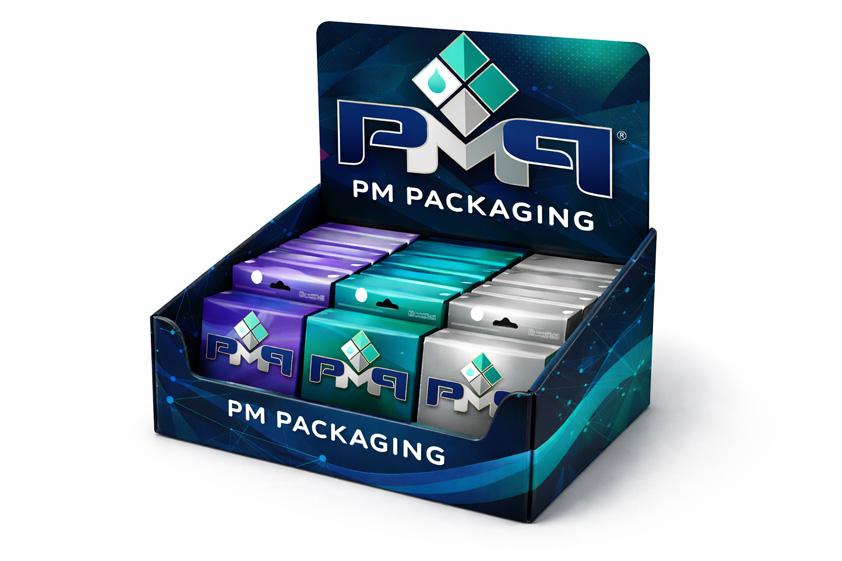
In many cases, the package includes a tray, box, or corrugated display that holds the products neatly in rows. Once it reaches the store, a section of the outer packaging is removed so the products are visible and easy for customers to grab. The remaining structure keeps the products aligned while also displaying branding and product information.
Retail ready packaging is sometimes also called shelf ready packaging, and the two terms are often used interchangeably.
Why Retail Ready Packaging Matters
Retailers want products that are easy to stock and easy to sell. Traditional shipping cartons may protect the products during transit, but they are not always efficient once they reach the store. Employees may have to open boxes, unpack each unit, dispose of excess materials, and arrange products manually. That process takes time and labor.
Retail ready packaging reduces that work. By allowing a product tray or display unit to go directly onto the shelf, it streamlines replenishment and keeps the display looking tidy. For stores managing high product volume, this can make a significant difference.
Brands benefit too. When products are displayed consistently and attractively, they are more likely to catch the shopper’s attention. Better presentation can support better sales performance, especially in competitive retail categories where shelf visibility matters.
Key Features of Retail Ready Packaging
Retail ready packaging is designed with several practical goals in mind. While styles may vary, most formats include a few common characteristics.
Easy to Open
One of the most important features is quick access. Retail ready packaging is usually designed with perforations, tear strips, or easy-open features so store staff can prepare it for display without using excessive tools or time.
Easy to Stock
The package should go from backroom to shelf quickly. Instead of removing and stocking individual products one at a time, the whole unit can often be placed directly into the retail space.
Easy to Shop
Once opened, the products should be clearly visible and easy for customers to remove. The package should not block the product or make it hard to grab.
Easy to Identify
Retail ready packaging often includes strong branding, printed graphics, or product labels that help both employees and shoppers identify what is inside.
Easy to Dispose Of
After the display portion is used up or the outer cover is removed, the leftover packaging should be easy to break down and recycle or discard.
These characteristics help explain why retail ready packaging is so valuable in fast-moving retail environments.
Common Types of Retail Ready Packaging
Retail ready packaging comes in several forms depending on the product, retailer, and shelf setup.
- Corrugated Trays: A common format is the corrugated tray with a removable top cover. The products are packed inside the tray for shipping, and once the top is removed, the tray becomes the shelf display.
- Perforated Boxes: Some retail ready packages use a corrugated box with perforated panels that tear away easily. Once the front or top is removed, the products are accessible while still supported by the remaining structure.
- Club Store Displays: Warehouse and club retailers often use larger retail ready packaging formats that serve both as shipping protection and bulk display units. These may sit directly on pallets or shelf racks.
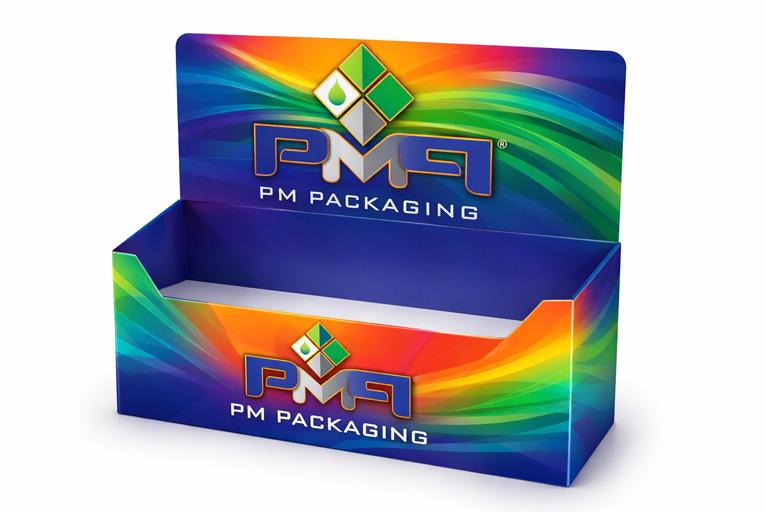
- Counter Displays: Smaller items may use compact retail ready displays designed for checkout counters or promotional endcaps. These help highlight impulse-purchase products.
- Shelf Trays with Printed Branding: Some brands use highly printed trays that not only hold the product but also reinforce brand recognition at shelf level.
Each type is designed to make replenishment easier while keeping the product organized and visible.
Products That Commonly Use Retail Ready Packaging
Retail ready packaging is especially common for products sold in multiple units and replenished often. Examples include:
These products often benefit from packaging that can move quickly from shipping carton to retail shelf without extra labor.
Benefits of Retail Ready Packaging
Retail ready packaging offers advantages for both the retailer and the brand.
For many brands, these benefits make retail ready packaging a smart part of their broader retail strategy.
Retail Ready Packaging vs. Standard Shipping Cartons
It helps to understand how retail ready packaging differs from a standard shipping box.
A standard shipping carton is primarily designed to protect products in transit. Once it reaches the store, it is usually opened, emptied, and discarded. The products then need to be arranged separately on the shelf.
Retail ready packaging, on the other hand, is designed for both shipping and display. It protects the products during transit but also becomes part of the in-store presentation. This dual-purpose design is what makes it so useful.
In short, a regular carton stops being useful once it arrives. Retail ready packaging continues to add value once it gets to the shelf.
Design Considerations for Retail Ready Packaging
A successful retail ready packaging design needs to do more than simply hold product. It must work well across the supply chain and in the store environment.
The structure needs to be strong enough for shipping but easy enough to open in-store. If the packaging is difficult to tear open or collapses too easily, it can create frustration for retail staff.
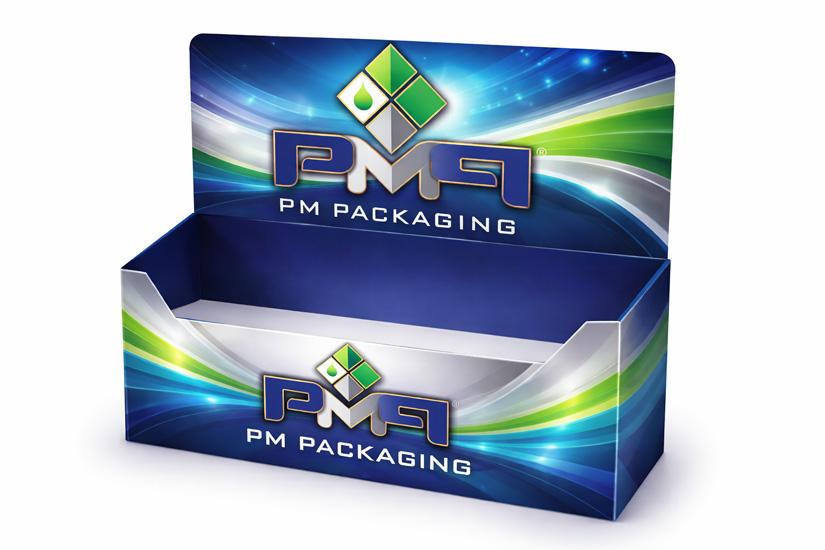
The height of the display tray matters as well. It should support the products without hiding too much of them. Customers should be able to see and remove the product easily.
Branding is another important factor. Since part of the package stays visible on the shelf, the printed graphics should be clean, consistent, and strong enough to support the product’s presence at retail.
Designers also need to consider retailer requirements. Different stores may have specific standards for dimensions, shelf fit, barcode placement, and sustainability expectations.
Is Retail Ready Packaging Right for Your Product?
Retail ready packaging is a strong choice for products sold through retail channels where speed, consistency, and presentation matter. It is especially valuable for high-volume consumer goods that are replenished frequently and displayed in groups.
It may be the right fit if your product is sold in supermarkets, pharmacies, warehouse clubs, or mass retail stores and you want to make stocking easier for store teams. It can also be a great option if you want your packaging to do more work at shelf level by supporting branding and organization.
However, not every product needs retail ready packaging. Some premium items, fragile goods, or individually merchandised products may require different packaging solutions. The right choice depends on the product, retail setting, and brand goals.
Final Thoughts
So, what is retail ready packaging? It is packaging designed to move efficiently from shipping to shelf, allowing products to be stocked, displayed, and sold with less effort. It helps retailers save time, keeps shelves organized, and gives brands another way to improve presentation and visibility.
For fast-moving consumer products, retail ready packaging can be a highly effective solution. It combines shipping efficiency with in-store functionality, making it easier for retailers to manage inventory and easier for shoppers to find and purchase products.
When designed well, retail ready packaging is more than just a box. It becomes part of the retail experience and part of the product’s success on the shelf.