
In premium packaging, few formats carry the same sense of quality and sophistication as a rigid box. From luxury cosmetics and jewelry to electronics, gifts, and high-end retail products, rigid boxes are often the packaging style brands choose when they want to make a strong first impression.
So, what are rigid boxes? A rigid box is a durable, typically non-collapsible box made from thick paperboard, usually wrapped in printed or decorative paper. Unlike many folding cartons, which ship flat and are assembled later, most rigid boxes are pre-formed and hold their shape at all times. However, advancements in packaging design now allow for some specialized rigid boxes to be collapsible, combining luxury structure with storage efficiency.
For brands focused on presentation, perceived value, and a memorable customer experience, rigid boxes do much more than contain a product. They help define how that product is seen, handled, and remembered.
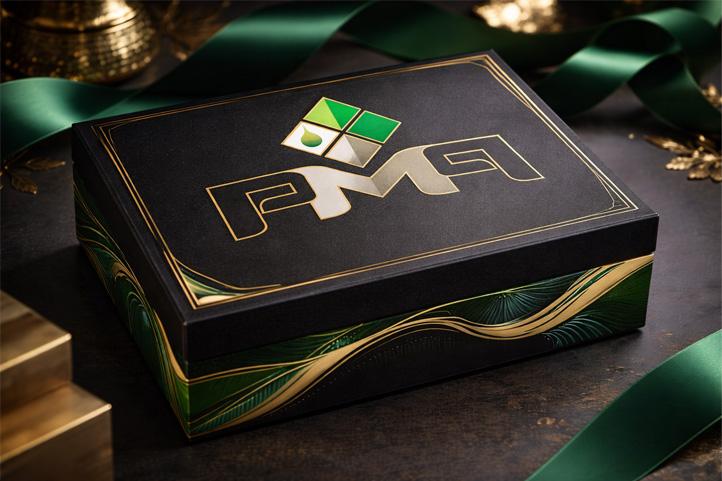
What Is a Rigid Box?
A rigid box, sometimes called a set-up box, is made from thick chipboard or paperboard that is permanently formed into shape. That core structure is then wrapped with a printed sheet, specialty paper, textured stock, or other decorative material to create the finished look.
While most rigid boxes are not designed to fold down, some specialized designs are collapsible to save on shipping and storage costs. Regardless of the specific construction, they feel stronger and more premium than lighter packaging formats. This is one of the main reasons rigid boxes are so closely associated with luxury packaging.
Rigid boxes can be simple and elegant or highly customized. They may include premium finishing, inserts, magnetic closures, ribbon pulls, foil stamping, embossing, or specialty linings depending on the brand and product category.
Why Rigid Boxes Are Associated With Luxury Packaging
Rigid boxes define luxury packaging because they immediately communicate quality. Their weight, structure, and finish create a stronger sensory experience than standard cartons or basic retail packaging.
When a customer picks up a rigid box, there is an instant impression of durability and value. The thicker walls, clean edges, and refined surfaces all contribute to a more elevated feel. In luxury packaging, those details matter because perception matters.
A rigid box can make the product feel more exclusive before it is ever opened. It creates anticipation, reinforces branding, and turns the packaging into part of the overall presentation. That is why so many premium brands use rigid boxes for products where image, gifting, and unboxing are important.
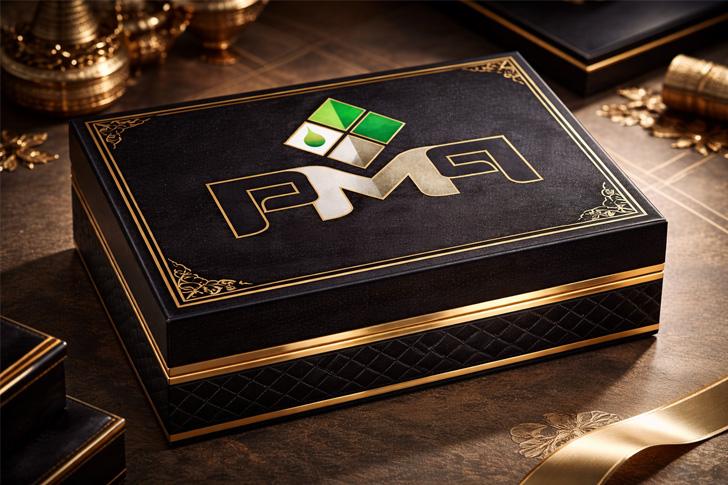
What Rigid Boxes Are Made Of
Most rigid boxes are built with two main components:
1. The Rigid Board Core
The structural base is typically made from thick chipboard or set-up box board. This board provides the box with its strength and shape.
2. The Outer Wrap
The board is wrapped in a printed or decorative material that creates the visual appearance of the box. This can include:
- Printed paper
- Matte or gloss laminated paper
- Soft-touch paper
- Textured specialty paper
- Metallic paper
- Fabric-like wraps
- Uncoated premium stocks
The interior can also be lined or enhanced with inserts made from paperboard, foam, molded pulp, satin, or other materials depending on the product and presentation goals.
How Rigid Boxes Differ From Folding Cartons
It is helpful to understand the difference between rigid boxes and folding cartons, since both are widely used in retail packaging.
A folding carton is made from thinner paperboard. It is printed, die cut, folded, and glued into a carton that can ship flat. Folding cartons are efficient, versatile, and cost-effective for many retail products.
A rigid box is thicker, pre-formed, and more durable. While typically non-collapsible, some specialized rigid boxes are designed to fold flat for efficiency. Regardless of the construction, they create a far more substantial and premium feel than a standard folding carton.
In simple terms:
- Folding cartons are practical and scalable.
- Rigid boxes are premium and presentation-driven.
That distinction is why rigid boxes are so often used in luxury packaging. They are chosen not just for function, but for experience.
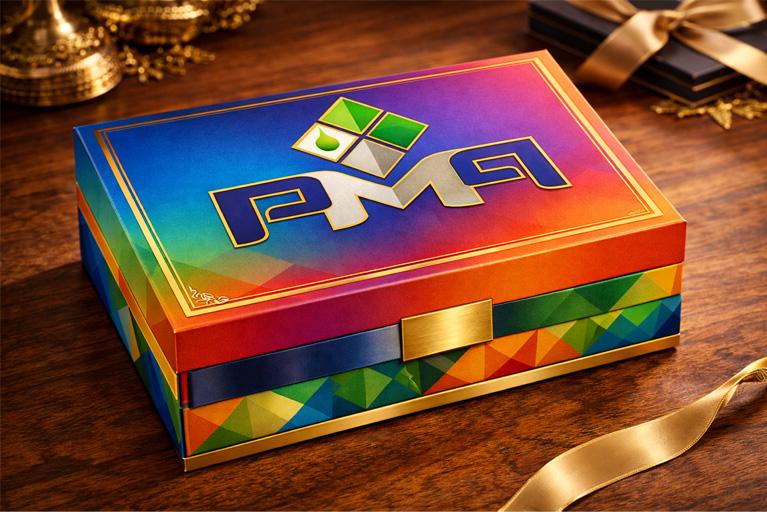
Why Rigid Boxes Matter in Luxury Packaging
Luxury packaging is about more than protection. It is about brand positioning, presentation, and customer perception. Rigid boxes help brands achieve all three.
Premium Appearance
Rigid boxes offer a clean, upscale look that supports premium branding. They create a polished presentation that feels intentional and refined.
Stronger Perceived Value
Packaging affects how customers judge the value of a product. A product in a rigid box often feels more expensive and more thoughtfully made than the same product in a basic carton.
Memorable Unboxing Experience
Rigid boxes help turn opening the package into part of the brand experience. That moment can shape how a customer feels about the product and whether they remember the brand positively.
Better Product Protection
Because rigid boxes are built from thicker material, they offer stronger protection for fragile, delicate, or high-value products.
Reusability
Many rigid boxes are attractive enough to be kept and reused, which extends the life of the packaging and keeps the brand visible beyond the initial purchase.
Common Types of Rigid Boxes
Rigid boxes are available in many styles, each creating a slightly different presentation and user experience.
- Two-Piece Rigid Box
- This classic style includes a base and a separate lid. It is often used for gifts, apparel accessories, beauty products, and electronics.
- Magnetic Closure Box
- This format usually has a hinged lid with hidden magnets that create a secure, elegant closure. It is popular for luxury kits, premium product launches, and high-end gift packaging.
- Drawer Box
- Also called a slide box, this style includes an outer shell and an inner tray that pulls out. It often includes a ribbon pull for a more elevated feel.
- Shoulder Neck Box
- This style includes an inner shoulder that creates a refined reveal when the lid is lifted. It is commonly used in prestige packaging because of its premium presentation.
- Hinged Lid Box
- This box has a lid attached to the main structure, creating a presentation style that works well for keepsake packaging and premium retail goods.
- Collapsible Rigid Box
- Designed to offer the premium feel of a rigid box while folding flat for shipping and storage. These often use magnets or adhesive strips for final assembly by the user.
- Custom Rigid Structures
- Some brands create highly custom boxes with inserts, compartments, platforms, or unique opening mechanisms to make the packaging even more distinctive.
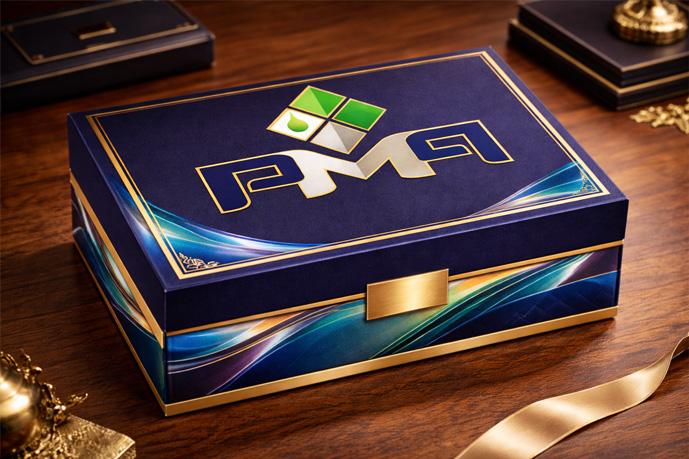
Industries That Commonly Use Rigid Boxes
Rigid boxes are used in many categories where presentation and perceived quality are important. Common industries include:
In these categories, packaging is part of the product story. The box is not just there to protect the item. It helps communicate the brand’s level of quality and attention to detail.
Design Features That Make Rigid Boxes Feel Premium
Not every rigid box looks the same. Much of the luxury appeal comes from the finishes and structural details used in the design.
Common premium features include:
- Foil stamping
- Embossing and debossing
- Soft-touch lamination
- Spot UV
- Textured wrap papers
- Satin or velvet linings
- Custom inserts
- Magnetic closures
- Ribbon pulls
- Layered reveals and compartments
These elements add texture, visual interest, and tactile quality. In luxury packaging, those details help create a stronger emotional response and a more memorable experience.
The Role of Rigid Boxes in Branding
Rigid boxes do more than make a package look expensive. They also help build stronger branding.
The structure and finish of a rigid box give brands more control over how the customer experiences the product. Every detail, from the way the lid lifts to the feel of the wrap paper, contributes to the brand impression.
For luxury brands, that matters because customers are often buying more than a product. They are buying presentation, aspiration, and identity. A rigid box helps reinforce that by making the packaging feel like an extension of the brand itself.
When done well, rigid box packaging can:
- Strengthen brand recognition
- Improve perceived quality
- Support premium pricing
- Encourage gifting and sharing
- Increase customer retention through a better product experience
Are Rigid Boxes Always the Right Choice?
Rigid boxes offer many benefits, but they are not ideal for every product.
Because they use thicker materials and involve more complex production, rigid boxes usually cost more than folding cartons. They also take up more storage and shipping space because they do not ship flat.
For some products, especially high-volume or cost-sensitive items, a folding carton may be the more practical solution. But for products where presentation, gifting, and customer perception matter, rigid boxes are often worth the investment.
The right packaging choice depends on the product, market position, target customer, and overall brand goals.
Why Rigid Boxes Continue to Define Luxury Packaging
Rigid boxes remain one of the strongest symbols of luxury packaging because they combine structure, elegance, and experience in a way few other formats can match.
They feel substantial in the hand. They protect the product well. They support premium finishes and custom details. Most importantly, they elevate the moment when a customer first interacts with the brand.
That is what luxury packaging is meant to do. It should make the product feel more valuable, more considered, and more memorable. Rigid boxes do exactly that, which is why they continue to be the standard for premium packaging across so many industries.
Final Thoughts
So, what are rigid boxes? They are durable, typically non-collapsible boxes (though collapsible options exist) made from thick board and wrapped in decorative or printed material to create a premium packaging solution. And why do they define luxury packaging? Because they offer the structure, appearance, and customer experience that premium brands rely on to communicate quality.
For brands that want packaging to do more than protect a product, rigid boxes are one of the most effective options available. They help elevate presentation, strengthen perception, and turn packaging into part of the brand experience itself.
When a product needs to look premium from the very first glance, rigid box packaging often sets the standard.