
In premium packaging, small finishing details can make a major difference in how a product is perceived. Two of the most popular decorative techniques used to elevate packaging are foil stamping and embossing.
Both can add visual impact, improve shelf appeal, and help packaging feel more refined, but they do so in very different ways. For brands investing in custom packaging, understanding the difference is key to creating a distinct brand effect.
At PM Packaging, these kinds of finishing choices play an important role in how packaging communicates quality. Whether it's a folding carton, rigid box, or beauty package, selecting the right finish strengthens the overall presentation.
Why Finishing Matters in Packaging
Packaging is often the first physical interaction a customer has with a brand. Before the product is opened, the package is already communicating quality and positioning.
Decorative finishes help packaging:
- Stand out on the shelf
- Reinforce a premium brand image
- Create a tactile experience
- Highlight logos & design features
- Improve perceived value
What Is Foil Stamping?
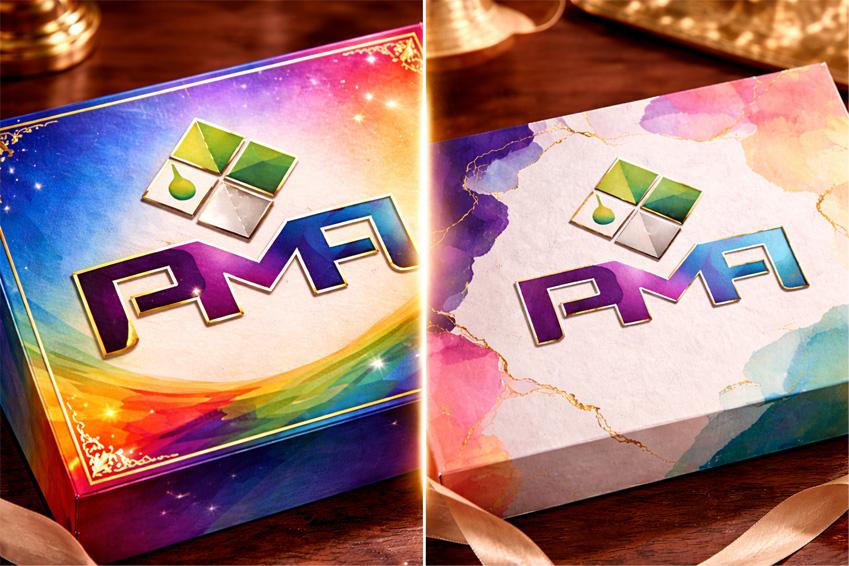
Foil stamping is a process that applies a thin layer of metallic, pigmented, or specialty foil to a packaging surface using heat and pressure. The foil is transferred via a custom die, creating a clean and highly visible decorative effect.
Visual Impact
Adds shine, reflectivity, and contrast. Sleek, polished, and eye-catching when light hits the surface.
Common Colors
Gold, silver, holographic, matte, and various colored metallic foils.
This finish is perfect for luxury packaging where certain details like logos or product names need to stand out immediately.
What Is Embossing?
Embossing is a technique that creates a raised design on the surface of the packaging. Instead of applying foil, embossing physically changes the shape of the paperboard by pressing a design upward.
Tactile Impact
Adds a physical dimension. Customers can see and feel the design, making it more engaging.
Refined Depth
Creates impact through texture and contour rather than reflectivity.
Embossing adds a sense of craftsmanship and sophistication that is both subtle and powerful.
Difference in a Glance
| Feature | Foil Stamping | Embossing |
|---|---|---|
| Primary Effect | Surface shine & contrast | Raised dimension & texture |
| Tactile Feel | Relatively flat | Highly textured (Raised) |
| Focus | Visual emphasis | Sensory experience |
| Impression | Bold, Luxurious | Crafted, Sophisticated |
Can They Be Used Together?
Yes, and they often are. In many premium designs, foil stamping and embossing are combined. A logo might be foil stamped in gold and then embossed so it rises off the surface. This creates a finish that is both visually striking and physically dimensional.
And don't forget Debossing:
Debossing is the opposite—it presses the design into the material for an indented effect, ideal for an understated or modern premium look.
When to Choose Foil
- ✨ Brighter, eye-catching accents
- ✨ Metallic or specialty visual effects
- ✨ Strong logo visibility
- ✨ Luxury through contrast & shine
When to Choose Embossing
- 🖐️ More tactile sophistication
- 🖐️ Understated premium effect
- 🖐️ Texture without relying on shine
- 🖐️ Design depth and dimension
Final Thoughts
Foil stamping is mostly about shine and visual emphasis. Embossing is mostly about shape and tactile quality.
"The finish should match the product, target customer, and visual language of the brand."
For brands looking to enhance folding cartons or rigid boxes, understanding the role of these finishes is an important part of building packaging that looks better, feels better, and communicates value effectively. At PM Packaging, we help you turn functional packaging into something memorable.