
Rigid box packaging is widely recognized as one of the most premium and visually impressive forms of product packaging.
If you have ever opened a luxury phone box, high-end cosmetics package, jewelry box, gift box, or premium subscription package, you have likely experienced rigid box packaging firsthand. It creates a strong first impression, feels substantial in the hand, and often plays a major role in the overall customer experience.
So, what is rigid box packaging? A rigid box is a sturdy, non-collapsible paper-based box made from thick chipboard that is wrapped with printed or decorative paper. Unlike folding cartons, which are shipped flat and assembled later, rigid boxes are pre-formed and maintain their shape. This gives them a more durable, high-end structure that is often associated with luxury, quality, and premium brand presentation.
For brands that want packaging to feel like part of the product itself, rigid boxes are often a top choice. They combine strength, elegance, and customization in a way that makes the unboxing experience more memorable.
Understanding the Basics of Rigid Box Packaging
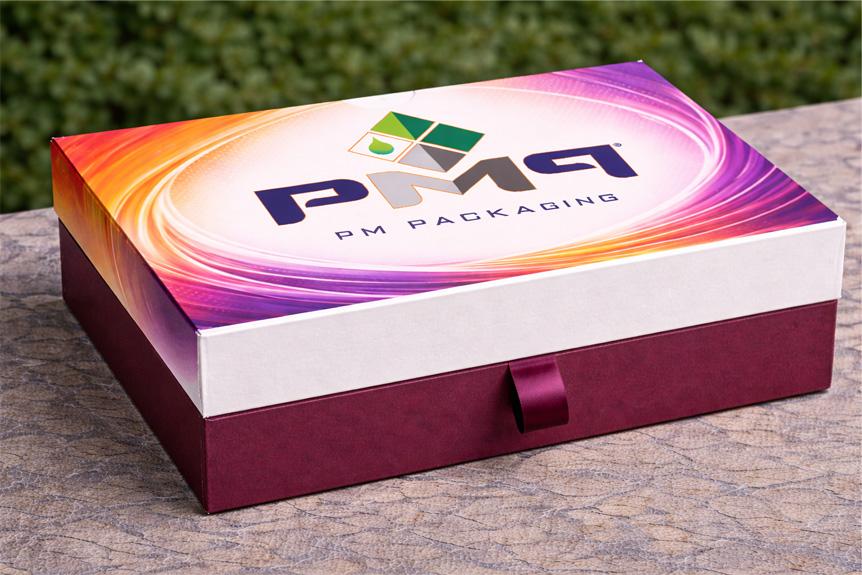
Rigid box packaging is called “rigid” because it does not fold or collapse like a standard paperboard carton. The structure is built from thick paperboard, often referred to as chipboard or set-up box board, which gives the package its firm, durable form. Once the board is cut and assembled into shape, it is wrapped with a printed, textured, or specialty paper that creates the finished appearance.
Because rigid boxes hold their shape at all times, they immediately feel more substantial than lighter packaging formats. This is one of the key reasons they are used for luxury and premium products. The added weight and sturdiness signal quality before the customer even interacts with the item inside.
Rigid boxes can be simple or highly elaborate. Some are clean, minimal two-piece boxes with a lift-off lid, while others include magnetic closures, ribbon pulls, foam inserts, trays, compartments, or decorative finishes like foil stamping and embossing.
What Are Rigid Boxes Made From?
The core of a rigid box is usually made from thick chipboard. This board is much denser and more substantial than the paperboard used for folding cartons. It is chosen for strength and structure rather than for direct print quality.
Once the chipboard is formed into the desired shape, it is wrapped in a material that provides the final look and branding. This outer wrap can vary depending on the brand’s goals and budget. Common wrap materials include:
- • Printed paper
- • Matte or gloss laminated paper
- • Specialty textured paper
- • Soft-touch paper
- • Metallic or foil paper
- • Fabric-like wrap materials
- • Uncoated premium paper stocks
The interior of the box may also be lined with paper, fabric, or inserts designed to protect and present the product. Inserts can be made from paperboard, foam, molded pulp, satin, or other materials depending on the level of protection and presentation needed.
How Rigid Box Packaging Is Made
The manufacturing process for rigid boxes is more involved than for many other packaging formats. This is one reason they are typically more expensive than folding cartons. The process usually includes structural design, board cutting, wrapping, finishing, and assembly.
- Structural Design: The box is first designed around the product dimensions, protection needs, and desired opening style. This includes determining board thickness, lid fit, insert configuration, and overall presentation.
- Chipboard Cutting and Forming: The thick board is cut to the required dimensions and then assembled into a fixed shape. This creates the strong shell of the box.
- Wrap Printing and Finishing: The outer wrap is printed or selected based on the design goals. At this stage, finishes such as foil stamping, embossing, debossing, soft-touch lamination, or spot UV may be added.
- Wrapping and Mounting: The printed or decorative wrap is carefully mounted over the rigid structure. This step must be precise so the box looks clean and polished, especially around corners and edges.
- Insert and Interior Assembly: If the box includes an insert, platform, divider, or special interior treatment, those elements are added after the main structure is complete.
- Final Quality Review: Because rigid boxes are often used in premium packaging, close attention is given to alignment, edge quality, finish consistency, and the overall feel of the package.
This more detailed production process helps explain why rigid boxes are often chosen for products where presentation matters just as much as protection.
Why Brands Use Rigid Box Packaging
Rigid boxes are used because they create a premium experience. They communicate value immediately and can elevate how a customer perceives both the product and the brand.
- 1Presentation: Rigid boxes look refined and intentional. Their structure allows for crisp edges, elegant proportions, and premium detailing that can help a product feel more exclusive.
- 2Durability: The thick board provides more protection than standard folding cartons, making rigid boxes a strong choice for delicate, valuable, or presentation-driven items.
- 3Memorable Unboxing: In many industries, the moment a customer opens the package is part of the brand story. A rigid box can slow down that moment in a good way, making the interaction feel more thoughtful and luxurious.
- 4Customization Potential: From materials and inserts to closures and finishes, they can be designed to reflect a very specific brand identity.
Common Types of Rigid Box Styles
Rigid box packaging comes in many forms. The right style depends on the product, budget, and brand goals.
Two-Piece Rigid Box
Classic style with a base and lift-off lid. Commonly used for gift packaging, apparel accessories, and electronics.
Shoulder Neck Box
Includes an inner platform or shoulder that creates a refined reveal when the lid is removed. Adds depth and structure.
Magnetic Closure Box
Also known as book-style or fold-over box. Features a hinged lid and magnetic closure. Popular for premium kits.
Drawer Box
A slide box with an outer shell and inner tray that pulls out. Ribbon pulls are often added for convenience and elegance.
Hinged Lid Box
Lid attached directly to the box structure. Used for presentation boxes, keepsake packaging, and premium retail items.
Custom Rigid Structures
Fully custom boxes with layered reveals, compartments, doors, or unique opening mechanisms to be truly distinctive.
Each style creates a slightly different user experience, which is why structure plays such an important role in rigid box design.
Industries That Commonly Use Rigid Boxes
Rigid box packaging is especially popular in categories where image, gifting, and perceived value are important. Common industries include:
In these markets, packaging is not only functional. It is part of the brand experience and often part of the reason the product feels premium.
Benefits of Rigid Box Packaging
Limitations to Consider
While rigid box packaging offers many advantages, it is not always the best fit for every product or budget.
- Cost: Generally more expensive than folding cartons due to thicker materials and involved production requirements.
- Storage & Shipping: Because they do not ship flat, they take up more space during warehousing and transport.
- Over-packaging: May be more than needed if the item is inexpensive, high volume, or sold in a highly cost-sensitive market.
- Sustainability: Foam inserts, magnets, or certain laminations can affect recyclability, though paper-based eco-designs are possible.
Rigid Box vs. Folding Carton
Rigid boxes and folding cartons can both look attractive, but they serve different purposes.
A folding carton is made from lighter paperboard, ships flat, and is typically more economical. It works well for everyday retail products and high-volume production.
A rigid box is thicker, pre-formed, and more premium in feel. It is often chosen for luxury items, gifting, and products where presentation has a big impact on perceived value.
In simple terms, folding cartons are efficient and versatile, while rigid boxes are elevated and experience-driven.
Is Rigid Box Packaging Right for Your Product?
Rigid box packaging is a strong choice when presentation, protection, and premium perception are priorities. It works especially well for luxury products, giftable products, launch kits, and items where the unboxing experience matters.
It may be the right fit if your brand wants packaging that feels impressive in the hand, supports premium finishes, and helps communicate a higher value position. It may be less suitable if cost efficiency, flat shipping, and high-speed volume packaging are the main priorities.
The right answer depends on your product category, target customer, retail environment, and brand goals. In many cases, rigid boxes are an investment in how the product is experienced, not just how it is contained.
Final Thoughts
So, what is rigid box packaging? It is a durable, non-collapsible packaging format made from thick chipboard and wrapped in printed or decorative material to create a premium presentation. It is one of the most effective packaging styles for brands that want to combine structure, elegance, and a memorable unboxing experience.
From cosmetics and electronics to gifts and subscription kits, rigid boxes help products feel more valuable and more thoughtfully presented. When designed well, rigid box packaging does more than protect the product. It enhances the entire brand experience.