
Luxury packaging is more than just a container—it’s a critical part of the product experience. For many brands, especially in premium markets, packaging is the first physical interaction a customer has with their product.
That first impression can influence perception, justify pricing, and even impact repeat purchases. But what actually goes into creating luxury packaging? Why does it cost significantly more than standard packaging? And when does it make sense to invest in it?
In this guide, we’ll break down exactly how luxury packaging is made, including the materials, production processes, and cost factors that define it.
What Defines “Luxury Packaging”?
Luxury packaging is defined by a combination of material quality, structural integrity, finishing techniques, and overall presentation. Unlike standard packaging—which is typically designed for protection and cost efficiency—luxury packaging is designed to enhance the perceived value of a product.
Elevated Materials
Uses thicker, more durable, and visually appealing materials than standard packaging. These create a substantial, high-end feel.
Advanced Finishes
Techniques like foil stamping, embossing, and specialty coatings add visual and tactile depth.
Intentional Experience
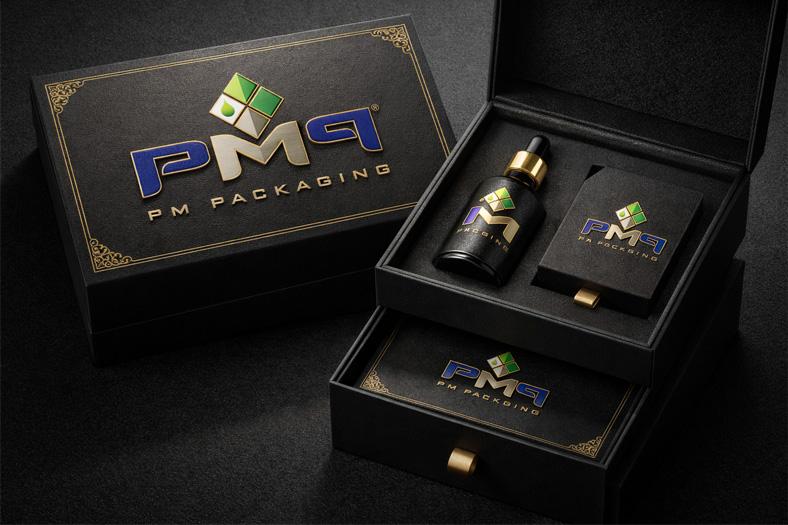
Designed with the journey in mind—magnetic closures, inserts, and layered reveals for a memorable unboxing.
Materials Used in Luxury Packaging
The materials used in luxury packaging are one of the biggest differentiators from standard packaging. These materials are selected not just for durability, but also for their texture, appearance, and ability to support advanced finishing techniques.
Rigid Board (Chipboard)
Rigid board—often referred to as chipboard—is the foundation of most luxury packaging. It is significantly thicker than folding carton material and does not collapse flat.
- High thickness and strength
- Maintains its shape under pressure
- Creates a solid, premium feel for jewelry or electronics
Specialty Papers
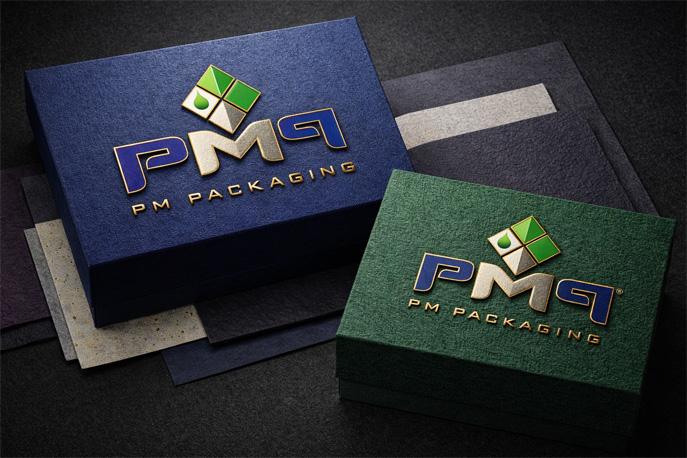
Luxury packaging often incorporates specialty papers that go beyond standard paperboard. These can dramatically enhance the look and feel.
Coatings & Laminations
Coatings and laminations serve both functional and aesthetic purposes. They protect the packaging while also enhancing its visual appeal. Common options include Matte, Gloss, and Soft-touch lamination.
Key Processes Used in Luxury Packaging
What truly sets luxury packaging apart is the combination of specialized finishing processes used during production. These techniques add depth, contrast, and texture.
Foil Stamping
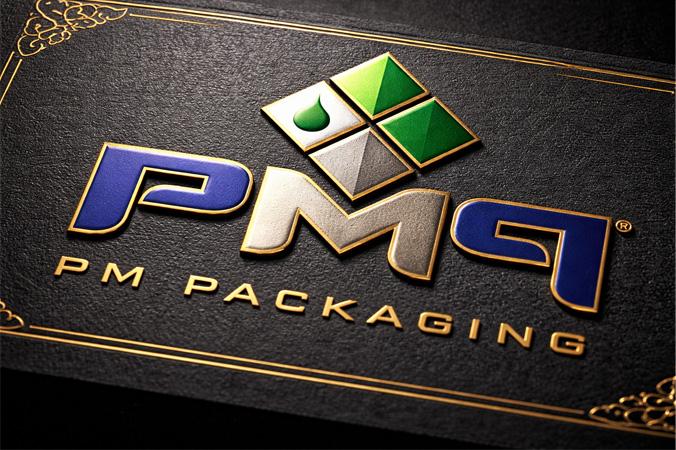
One of the most recognizable features of luxury packaging. It involves applying a thin layer of metallic foil to the surface using heat and pressure. It creates a reflective, high-end appearance that draws attention to logos.
Embossing & Debossing
Techniques used to create texture by altering the surface. Embossing raises a design, while debossing presses it in. These effects are often combined with foil for a layered, dimensional look.
Soft-Touch Lamination
A specialized coating that gives packaging a smooth, velvety texture. It’s popular for electronics and cosmetics because of how it feels in the customer’s hands.
Assembly: Hand vs Machine
Luxury packaging often requires more complex assembly than standard packaging, especially when rigid materials and specialty features are involved.
Machine Assembly
Used for high volumes and straightforward designs.
- • Faster production speeds
- • Lower labor costs
- • Consistent output
Hand Assembly
Necessary for intricate designs like ribbon pulls or complex magnetic closures.
- • Precision and attention to detail
- • High quality standards
- • Allows for complex structural design
Why Luxury Packaging Costs More
Premium Materials
Thicker boards and specialty papers are inherently more expensive.
Specialized Finishing
Custom tooling (dies) and additional production steps.
Labor-Intensive
Hand assembly increases labor time and cost significantly.
Slower Production
Complex designs impact efficiency and output speed.
Customization & Tooling
Upfront investments in prototypes and custom molds.
Final thoughts
Luxury packaging is the result of thoughtful design, premium materials, and specialized manufacturing processes. While it requires a higher investment, it also creates a stronger connection between your brand and your customers.
For many businesses, that added value translates into increased perceived quality, stronger brand loyalty, and a more memorable customer experience.