
Choosing Between Auto-Bottom and Snap-Lock Cartons
Choose an auto-bottom carton when packing speed and labor efficiency justify the higher converting cost, especially for medium- to high-volume programs. Choose a snap-lock bottom when manual assembly is acceptable and reducing carton manufacturing cost is more important. Both can provide strong bottom support, so the better choice usually depends on run volume, pack-out speed, labor cost, product weight, and whether the carton will be packed manually or on a faster production line.
What Is the Difference Between Auto-Bottom and Snap-Lock Cartons?
When packaging engineers select a folding carton style for products that require secure bottom support, two primary closures dominate the conversation: the auto-bottom (commonly called crash-lock or auto-lock) and the snap-lock bottom (frequently referred to as a 1-2-3 bottom).
While both styles produce a closed, reinforced base capable of supporting heavier consumer goods without bottom tape, they achieve that closure through completely different mechanical pathways:
| Decision Factor | Auto-Bottom / Crash-Lock | Snap-Lock / 1-2-3 Bottom |
|---|---|---|
| Bottom setup | Opens automatically as carton is squared | Bottom flaps folded manually in 3 steps |
| Factory bottom gluing | Yes (pre-glued on folder-gluer) | No (shipped flat without base adhesive) |
| Pack-out speed | Faster (approx. 1–2 seconds to erect) | Slower (approx. 5–8 seconds to erect) |
| Operator hand motions | Single motion (push diagonal corners) | Multiple motions (fold base, fold sides, tuck tongue) |
| Converting complexity | Higher (specialized multi-point gluing equipment) | Lower (standard straight-line side-seam gluing) |
| Relative carton unit price | Generally higher due to extra gluing steps | Generally lower initial carton purchase cost |
| Labor cost during packing | Substantially lower per packed unit | Higher manual labor time per unit |
| Manual pack-out suitability | Excellent for high-volume repetitive kitting | Ideal for low to moderate batch assembly |
| Automation compatibility | Well-suited for automated erecting lines | Almost exclusively manually erected |
| Product weight support | High structural support; reinforced glued base | High structural support; interlocking friction base |
| Best economic fit | Labor savings outweigh added converting price | Lower carton price outweighs extra assembly seconds |
| Typical decision trigger | High annual volume, fast line speeds, high labor rates | Short runs, multiple SKUs, manual contract packing |
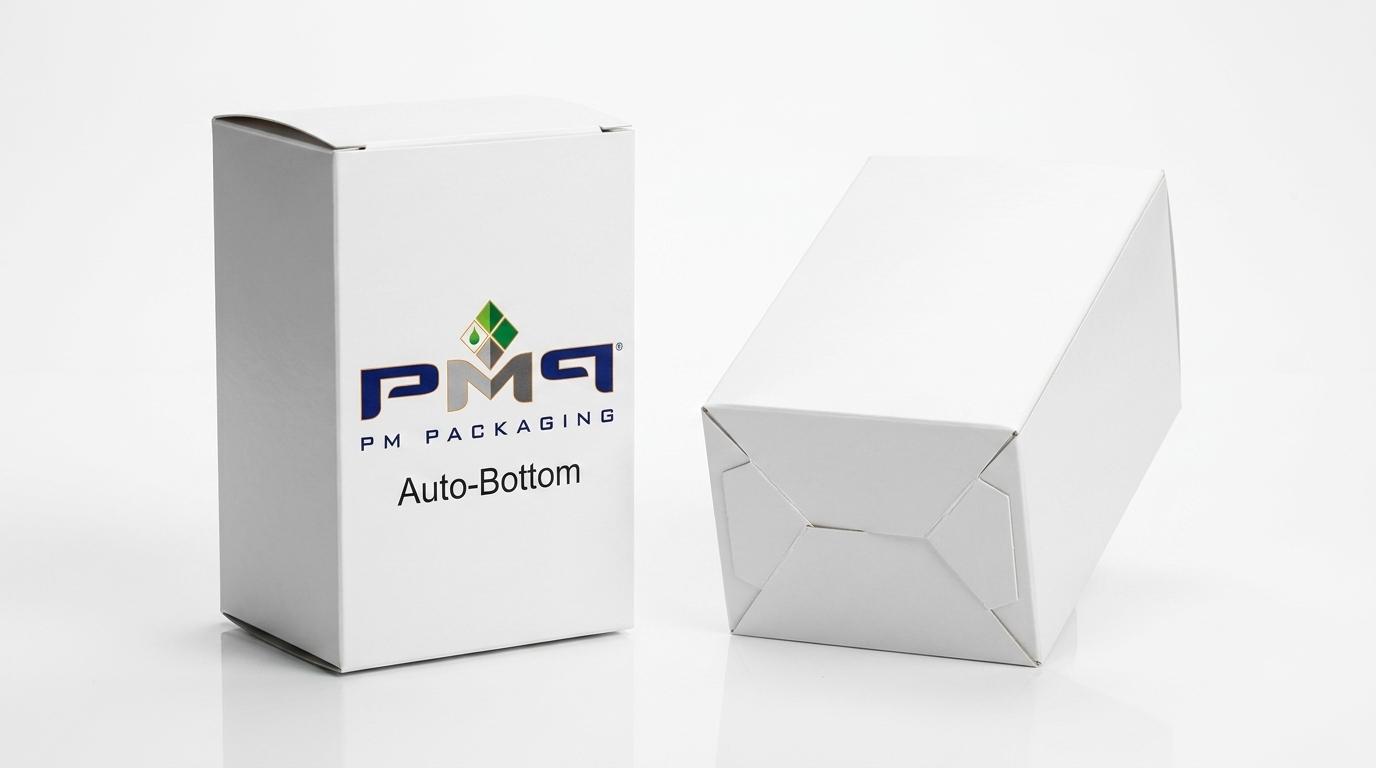
How an Auto-Bottom Carton Works
An auto-bottom box arrives flat from the converter with its side seam and bottom base flaps already glued. The bottom panels feature precision-cut diagonal creases and strategic hot-melt or cold-glue contact points.
When an operator presses opposite folded corners together, the carton squares up. As the body panels open, the diagonal tension in the glued base flaps pulls the bottom panels downward and locks them into an interlocked horizontal floor in a fraction of a second. The operator does not touch the bottom flaps; the carton is immediately ready for product loading.
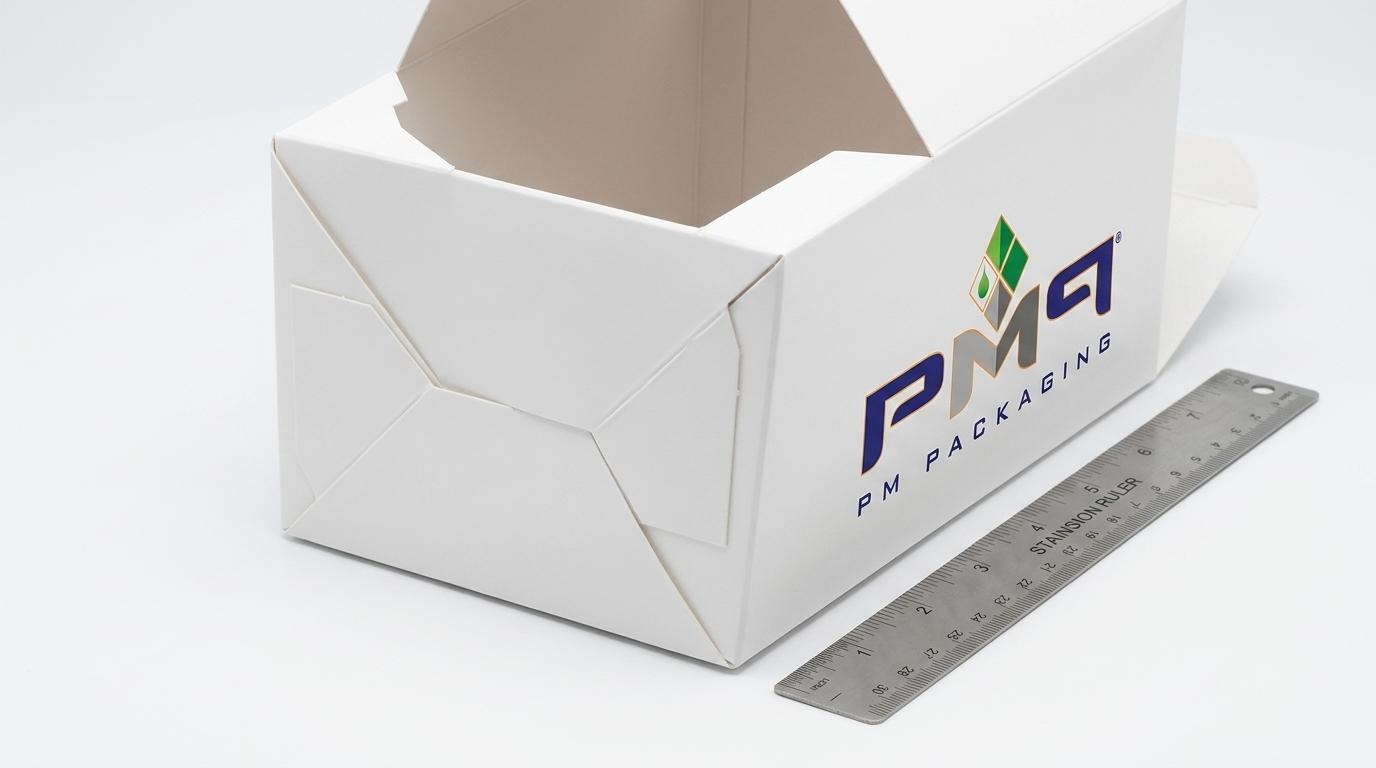
How a Snap-Lock Bottom Carton Works
A snap-lock bottom carton features four unglued die-cut flaps that must be assembled manually in an exact 1-2-3 sequence:
- Step 1 (Large Base Flap): The operator pushes the large primary bottom flap down across the opening.
- Step 2 (Side Flaps): The two smaller side support flaps are folded inward over the primary flap.
- Step 3 (Tongue Lock): The final locking flap is folded down and pushed through the central slot, snapping securely under the side flaps.
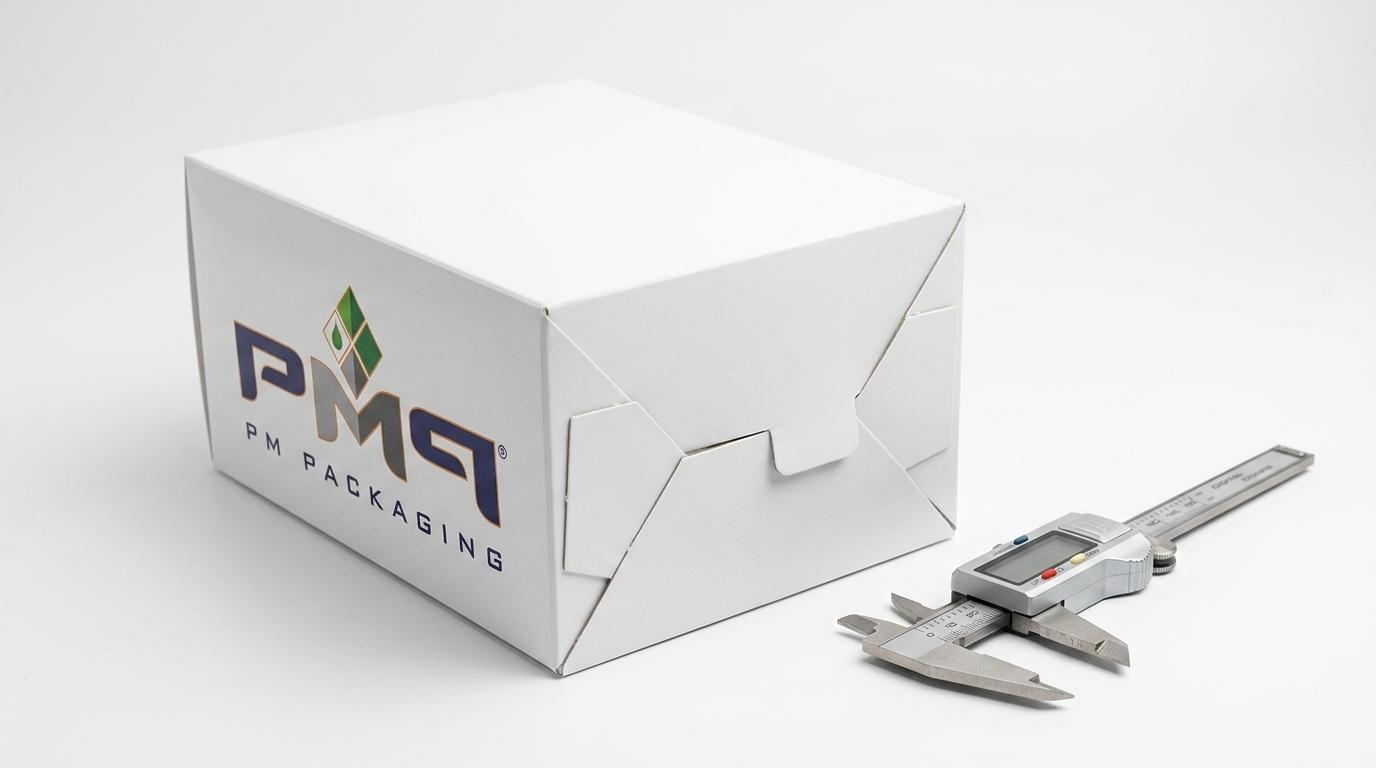
Because the converter only glues the side manufacturing seam on a standard straight-line gluer, manufacturing setup is faster and unit converting prices are lower. However, closing the bottom requires active hand labor during every packaging cycle.
Which Carton Is Faster to Assemble?
In pack-out time studies, an experienced packing operator erects an auto-bottom carton in approximately 1 to 2 seconds. In contrast, completing the three manual fold steps of a snap-lock bottom requires 5 to 8 seconds per carton.
A difference of 4 to 6 seconds per box may seem minor on small pilot runs, but across production volume, the cumulative labor impact is substantial:
Carton erection time directly dictates line pacing and packing-station throughput.
When packing speed is the primary constraint, reducing setup from a three-step fold to a single square-up motion eliminates assembly bottlenecks and increases output per operator shift.
Which Structure Costs Less? Converting Cost vs. Total Packed Cost
The most common procurement mistake is comparing cartons solely by the unit purchase price on a supplier quote. A snap-lock carton almost always appears less expensive on invoice because it avoids specialized multi-point folder-gluer setups.
However, packaging procurement and operations teams must evaluate Total Packed Cost:
Total Packed Cost = Unit Carton Price + Pack-Out Labor Cost + Tooling & Handling
A lower-cost snap-lock carton can become more expensive at scale if additional assembly labor exceeds the converting premium of an auto-bottom carton. Conversely, an auto-bottom structure may not justify its higher converting cost on smaller or slower manual programs.
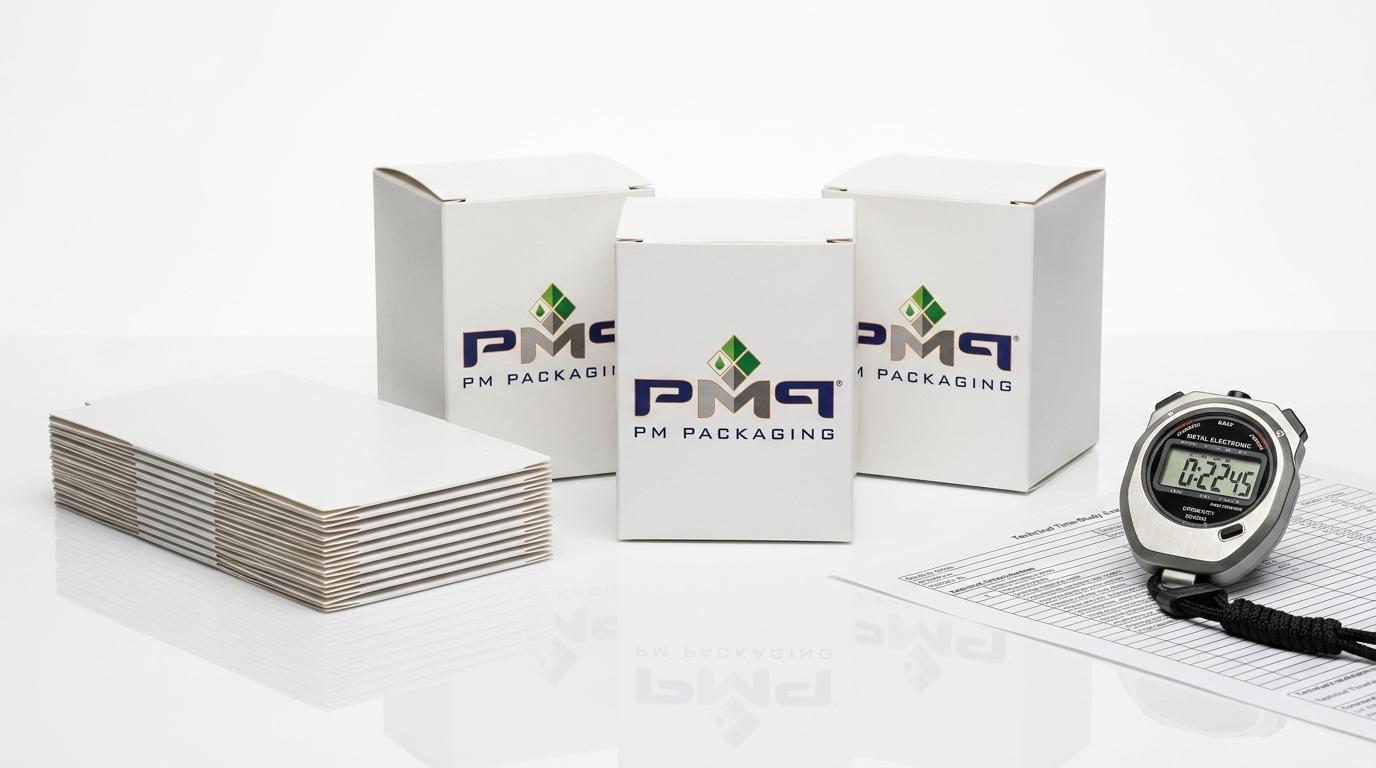
When Does Auto-Bottom's Labor Savings Justify the Added Cost?
The financial break-even between auto-bottom and snap-lock construction depends primarily on program volume, labor rates, and the rhythm of your pack-out operation:
The Operational Trade-Off
- 1High-Volume & Continuous Packing: When annual quantities are large or packaging lines run continuously, saving multiple seconds on every box quickly recovers the converting charge and significantly increases daily packing capacity.
- 2Low-Volume, Seasonal, or Multi-SKU Runs: When quantities are modest or multiple product variations are packed in short batches, the labor premium of folding cartons manually is small compared to the savings on simpler converting setup and tooling.
For packaging operations specifically evaluating contract packing workstations, line ergonomics, and detailed labor models, explore our companion analysis: The Business Case for Snap-Lock Bottom Cartons on Manual Co-Packing Lines.
Which Bottom Style Provides Better Product Support?
Many packaging catalogs simplify strength into a generic ranking, labeling auto-bottom as “high” strength and snap-lock as “medium.” In practical packaging engineering, that distinction is overly simplistic.
Both styles create a reinforced floor capable of carrying multi-pound products without tape. True bottom holding strength depends on:
- Paperboard Caliper & Grade: An 18pt or 24pt Solid Bleached Sulfate (SBS) or Coated Recycled Board (CRB) provides the structural stiffness necessary to resist bulging.
- Carton Footprint & Aspect Ratio: Long, narrow bases deflect differently than square footprints under concentrated downward loads.
- Product Weight Distribution: A dense, narrow glass bottle places point-load stress on the center seam, whereas granular products distribute mass evenly across base panels.
- Flap Geometry & Die Precision: A deep locking tongue on a snap-lock bottom resists disengagement under vibration.
For critical load-bearing applications, physical drop and compression testing with production-weight product samples is essential.
Order Volume Matters, but Pack-Out Frequency Matters Too
Sourcing guides often suggest rigid rules such as “under 25,000 units use snap-lock, over 25,000 use auto-bottom.” In reality, packing cadence is just as critical as total run size:
- Continuous Weekly Packing: A brand packing 3,000 units every Monday throughout the year (150,000 annual units) benefits tremendously from auto-bottom cartons because the speed advantage smooths recurring labor schedules.
- One-Off Promotional Rollouts: A seasonal gift SKU packed only once in a 20,000-unit batch may favor snap-lock cartons if temporary staffing handles the assembly and minimizing upfront carton procurement spend is paramount.
When to Choose Each Bottom Structure
- ✓Pack-out line speed and hourly throughput are critical bottlenecks.
- ✓Labor rates are high, making seconds-per-carton savings financially significant.
- ✓Production runs are high volume, recurring, or automated.
- ✓Consistent square erection is required to prevent downstream filling jams.
- ✓Pack-out is executed manually on contract packaging or kitting lines.
- ✓Order volumes are low to moderate, or runs involve multiple fragmented SKUs.
- ✓Minimizing upfront carton converting and tooling costs is the priority.
- ✓Line operators can comfortably accommodate 3-step manual folding.
Compare Both Structures on the Actual Pack-Out Line
Paperboard calculations on spreadsheets only go so far. Before committing to a multi-hundred-thousand-unit production run, request CAD cutting-table structural samples of both auto-bottom and snap-lock cartons from your manufacturer.
Run a timed pack-out trial with your actual kitting team. Measure operator wrist ergonomics, insertion friction, flap engagement consistency, and packed units per labor hour. A physical line trial provides empirical data to justify carton selection to procurement leadership.
The 4-Step Bottom Style Decision Tree
Frequently Asked Questions
Is an auto-bottom carton stronger than a snap-lock carton?
Not inherently. While auto-bottom cartons feature factory-glued base seams, a well-engineered snap-lock carton provides comparable bottom holding capacity through interlocking mechanical friction. Structural weight support is primarily determined by paperboard caliper, carton footprint, and product weight distribution rather than the bottom closure style alone.
Is auto-bottom the same as crash-lock bottom?
Yes. In folding carton manufacturing, auto-bottom, crash-lock, and auto-lock refer to the identical pre-glued bottom structure that pops open automatically when opposite corners are squared.
Why is snap-lock called a 1-2-3 bottom?
Snap-lock is called a 1-2-3 bottom because operators assemble the unglued base flaps in a sequential three-step motion: first folding the large primary flap down, next folding the two side flaps inward, and finally pushing the locking tongue flap through the central slot to snap securely into place.
Which carton costs more to manufacture?
Auto-bottom cartons generally carry a higher converting cost because converters must run them through specialized multi-point folder-gluers that apply adhesive to base panels. Snap-lock cartons require only standard straight-line side-seam gluing, lowering upfront manufacturing costs.
Which carton is faster to pack?
Auto-bottom cartons are significantly faster on the pack-out line, erecting in 1 to 2 seconds compared to 5 to 8 seconds for a manual three-step snap-lock bottom.
Which works better for manual contract packaging?
Snap-lock cartons are widely used in manual contract packaging for short or moderate runs where low unit carton cost outweighs manual folding time. However, for high-volume contract packing, auto-bottom cartons deliver massive labor savings.
When does auto-bottom's higher converting cost make sense?
Auto-bottom makes sense whenever the cumulative labor savings from faster pack-out exceed the converting price premium of pre-glued cartons—especially in medium- to high-volume programs, recurring consumer SKUs, or operations where manual setup causes line bottlenecks.
Do both carton types ship flat?
Yes. Both auto-bottom and snap-lock folding cartons ship completely flat from the manufacturer to maximize pallet density and keep inbound freight costs low.
Choosing Between Auto-Bottom and Snap-Lock Cartons?
PM Packaging helps buyers and operations teams compare folding-carton bottom structures based on run quantity, product weight, packing method, required throughput, and labor considerations.
Consult with our structural design team to request CAD cutting-table samples of both styles, evaluate total packed cost, or explore our complete line of custom folding cartons.