
For decades, thermoformed plastic trays served as the default internal packaging solution for consumer goods requiring secure positioning inside a carton.
From personal care kits and consumer electronics to cosmetics, specialty hardware, and confectionery, clear or opaque plastic inserts kept products stable during transit. However, retail dynamics have evolved rapidly. Brand directors, procurement leaders, and packaging engineers now face pressure from multiple angles: consumers demanding plastic-free unboxing, major retailers establishing aggressive packaging scorecards, and supply chain teams seeking to optimize freight density.
Transitioning from thermoformed plastic trays to custom paperboard inserts is no longer merely an ecological preference—it is a strategic commercial move that elevates brand perception, improves packaging line efficiency, and streamlines retail distribution.
Strategic Drivers for Paperboard Insert Conversion
Why Leading Brands Are Phasing Out Plastic Trays
The shift away from thermoformed plastic is driven by practical business and brand factors that directly affect retail sell-through and customer loyalty:
Customer Experience and Perceived Quality
Modern consumers increasingly associate plastic trays with cheap, commoditized packaging. Plastic inserts often produce glare, rattle in transit, and create unboxing friction. In contrast, paperboard delivers an elegant, tactile presentation that reinforces premium brand positioning.
Retailer Sustainability Scorecards
Major retailers such as Target, Walmart, Sephora, and Ulta actively reward brands that eliminate single-use plastics. Converting to curbside-recyclable inserts improves vendor sustainability ratings during annual category reviews.
The Monomaterial Advantage
Outer paper cartons paired with plastic inner trays force shoppers to separate packaging into multiple waste streams. Custom paperboard inserts create a 100% curbside-recyclable, monomaterial package that eliminates disposal confusion.
Key Triggers for Transitioning to Custom Paperboard Inserts
Determining the right time to replace plastic trays with paperboard inserts depends on your product line complexity, brand positioning, and supply chain priorities. Key indicators include:
1. Elevating Brand Storytelling and Interior Presentation
Plastic trays offer zero space for brand messaging. Custom paperboard inserts, by contrast, serve as an active brand canvas. Structural designers can print vibrant graphics, contrasting interior colors, quick-start instructions, or QR codes directly onto the insert. Enhanced with soft-touch matte coatings, spot gloss, or metallic foil stamping, paperboard inserts turn interior packaging into an engaging brand touchpoint.
2. Accelerating Tooling and Multi-SKU Product Launches
Thermoformed plastic requires dedicated metal molds that are costly to produce and take weeks to modify when product dimensions change. Paperboard inserts rely on digital dielines and precision cutting dies. For seasonal bundles or SKU refreshes, dieline revisions can be prototyped, tested, and approved in days rather than months.
3. Slashing Inbound Freight and Warehouse Footprint
Nested plastic trays trap considerable air and occupy valuable warehouse space. Custom paperboard inserts ship completely flat. A single pallet of flat-folded paperboard inserts can hold up to five times as many units as a pallet of nested plastic trays, significantly lowering inbound freight expenses and freeing up fulfillment storage.
4. Streamlining Pack-Out on Assembly Lines
Modern custom paperboard inserts feature quick-locking auto-bottom tabs, pre-glued joints, or roll-over side walls. They fold and lock into place in seconds, allowing contract packaging teams and automated lines to match or exceed plastic tray pack-out speeds without complex folding.
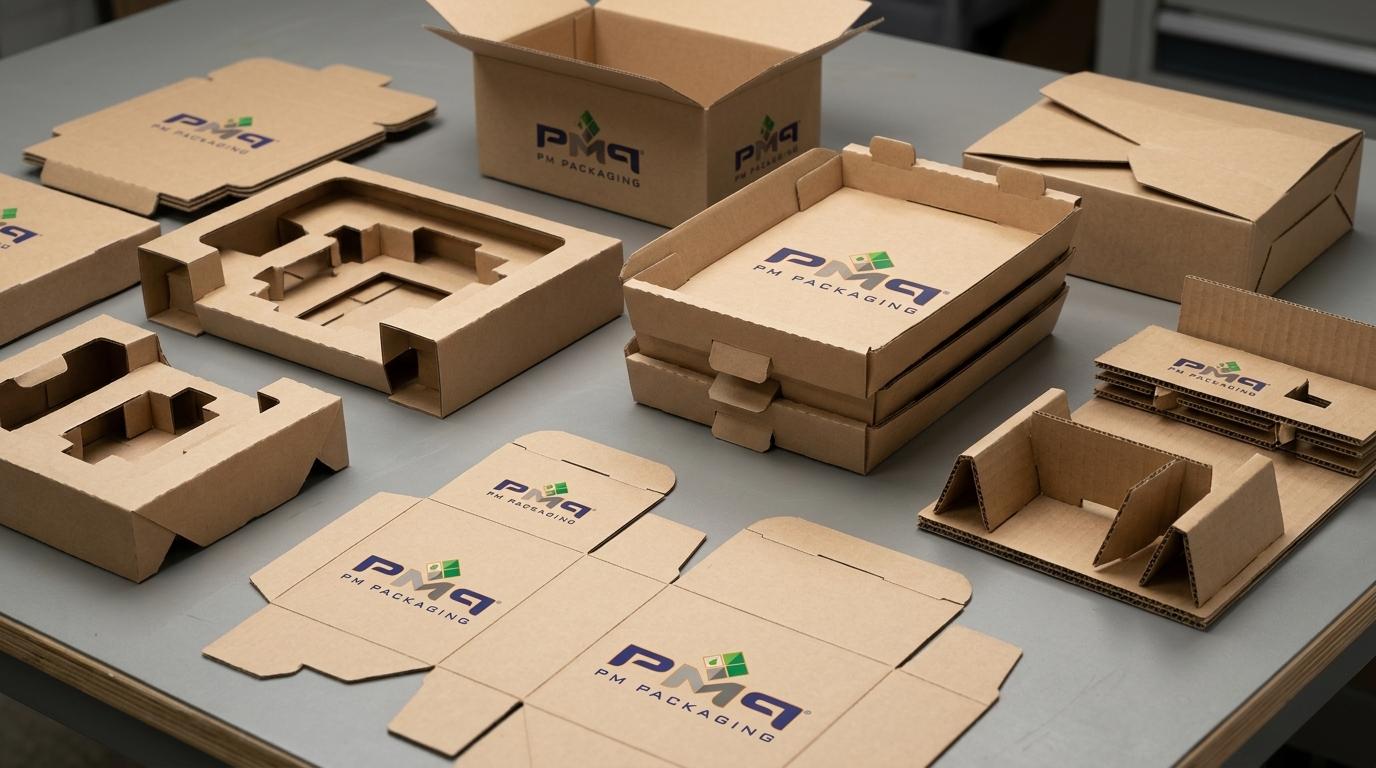
Packaging Comparison: Plastic Trays vs. Custom Paperboard Inserts
The table below summarizes the practical trade-offs between traditional thermoformed plastic trays and custom paperboard inserts:
| Strategic Metric | Thermoformed Plastic Trays | Custom Paperboard Inserts | Business Advantage of Paperboard |
|---|---|---|---|
| Unboxing Experience | Prone to glare and rattling | Premium, tactile, and quiet presentation | Elevates brand prestige and customer satisfaction |
| Recyclability | Mixed-material; low curbside acceptance | 100% curbside recyclable monomaterial | Complies with mass retail sustainability mandates |
| Freight & Storage | Bulky nested trays shipping excess air | Ships 100% flat; maximizes pallet density | Lowers inbound freight costs and warehouse space |
| Branding Surface | Non-printable surface | Full-color printable with luxury finishes | Expands brand storytelling and onboarding graphics |
| Tooling Agility | High mold costs and long lead times | Agile dieline prototyping and rapid setup | Enables rapid SKU launches and seasonal packaging |
The Nearshore Advantage with PM Packaging
Executing a smooth transition from plastic trays to custom paperboard inserts requires structural design precision and a dependable manufacturing partner. Long overseas lead times create unnecessary risk for North American retail rollouts.
With 45+ years of packaging expertise, PM Packaging combines headquarters and engineering in San Diego, California with high-capacity converting facilities in Baja California (Tijuana and Mexicali). This provides distinct advantages:
- Rapid Dieline Prototyping: Structural engineers design precise custom inserts using virgin paperboard, recycled board, or lightweight microflute packaging to guarantee transit protection.
- 1 to 3-Day Ground Transit: Finished folding cartons and inserts reach West Coast and Southwest distribution hubs in days rather than weeks.
- 100% Tariff-Free USMCA Compliance: Seamless cross-border operations eliminate tariff volatility, import duties, and port demurrage delays.
- G7 Master Certified Color: Printed inserts perfectly match outer cartons and retail displays across every production run.
Upgrade Your Internal Packaging with PM Packaging
Replacing thermoformed plastic trays with custom paperboard inserts enables enterprise brands to meet sustainability targets, reduce freight costs, and deliver an elevated retail unboxing experience.
Whether planning a national retail rollout or refreshing an established product portfolio, PM Packaging provides the structural design, certified quality, and nearshore speed required to scale your program.
Ready to upgrade your internal packaging? Connect with the team at PM Packaging to request a structural packaging audit and custom dieline evaluation today.