
For consumer brands distributing through national retail channels—including Walmart, Target, The Home Depot, AutoZone, and Sephora—blister card packaging is the foundation of pegboard and clip-strip merchandising.
High-graphic printed paperboard blister cards deliver vibrant brand storytelling, pristine retail presentation, structural durability, and secure product retention. However, as product catalogs expand across multiple SKUs and seasonal assortments, procurement leaders face a pivotal supply chain decision: When should a brand maintain dedicated manufacturing runs, and when does shifting to a shared combo program deliver superior efficiency?
Historically, procurement teams relied on dedicated production runs for every individual SKU. While dedicated runs maximize press efficiency for single high-velocity items, they often create costly inventory liabilities across broader catalogs.
To optimize working capital and accelerate speed-to-shelf, forward-thinking brands are shifting strategically to shared combo programs that balance print capacity, run flexibility, and inventory velocity.
Core Production Sourcing Drivers
The Economics of Dedicated Blister Card Production
Dedicated production runs allocate an entire press setup and die-cutting line to a single blister card SKU. This approach delivers distinct advantages under specific operational conditions:
- Massive Single-SKU Velocity: When a single flagship item moves hundreds of thousands of units predictably each quarter, dedicated runs maximize per-unit economies of scale by amortizing make-ready costs over continuous volume.
- Bespoke Board Formats: Dedicated runs accommodate specialized finishes (such as custom holographic foils, tactile soft-touch varnishes, or non-standard heavy calipers) tailored exclusively to one specific product line.
Where Dedicated Runs Create Supply Chain Friction
Across an entire multi-SKU retail catalog, dedicated runs introduce significant operational and balance-sheet friction:
High Minimum Order Quantities (MOQs)
Dedicated setups require substantial volume commitments per SKU, forcing brands to purchase 6 to 12 months of packaging inventory upfront just to meet converter run thresholds.
Tied-Up Working Capital
Sourcing individual dedicated runs across dozens of SKUs locks valuable cash into warehouse pallet storage rather than funding marketing campaigns, product development, or active retail expansion.
Packaging Obsolescence & Scrap Risk
When branding, regulatory compliance markings, barcodes, or retailer packaging guidelines change, pallets of unused dedicated card inventory become obsolete and must be scrapped at a direct financial loss.
Extended Lead Times & Missed Windows
Waiting for dedicated press booking windows often leads to 6-to-8-week manufacturing lead times that slow retail replenishment, trigger retailer chargebacks, and create pegboard stockouts.
The Strategic Shift to Shared Combo Programs
Shared combo programs—such as PM Packaging's proprietary qikCombo™ program—revolutionize blister card sourcing by consolidating multiple SKUs onto shared production layouts. By combining compatible card formats on high-efficiency offset gang runs, brands eliminate dedicated setup friction while maintaining premium print quality and structural integrity.
Core Business Advantages of Shared Combo Programs
Brands order balanced quantities matched directly to immediate packaging and assembly schedules, eliminating excess warehouse inventory.
Predictable, pre-scheduled manufacturing cycles slash production lead times from months to days, meeting tight retail replenishment windows.
Product managers introduce updated messaging, claims, or regulatory revisions on the next combo run without scrapping thousands of unused cards.
Standardized pre-press workflows guarantee precise color fidelity across single-seal cards, fold-over cards, trapped cards, and insert cards.
Key Decision Triggers: When to Shift to Shared Combo Runs
Recognizing the tipping point between dedicated manufacturing and shared combo programs allows procurement teams to protect cash flow and optimize fulfillment across dynamic retail channels.
Managing Catalogs with Asymmetrical Velocity
Most retail portfolios follow an 80/20 distribution: a handful of top-velocity "A" SKUs drive peak volume, while secondary "B" and "C" velocity items fill out retail assortments. Running dedicated runs for lower-velocity items causes massive overstock and capital lockup. Shifting secondary and tail SKUs to a shared combo program balances inventory investment and preserves liquidity.
Launching New SKUs or Regional Market Tests
When rolling out a new line or regional test assortment to gauge consumer adoption, committing to large dedicated print volumes adds unnecessary commercial risk. Shared combo runs allow brands to produce initial retail-ready quantities with minimal upfront expense and scale up as demand proves out.
Tight Retail Compliance and Planogram Deadlines
When major retail partners reset planograms or demand emergency restocking, waiting weeks for a dedicated print slot risks empty pegs, lost vendor scorecard points, and retail chargebacks. A dependable 10-day shared combo program enables rapid replenishment to meet rigid compliance timelines.
Synchronizing Supply with Contract Packagers
Contract packaging facilities (co-packers) require steady, synchronized packaging deliveries to prevent line changeover delays and staging bottlenecks. Shared combo runs allow procurement teams to order balanced blister card bundles that match actual pack-out schedules without cluttering packing lines.
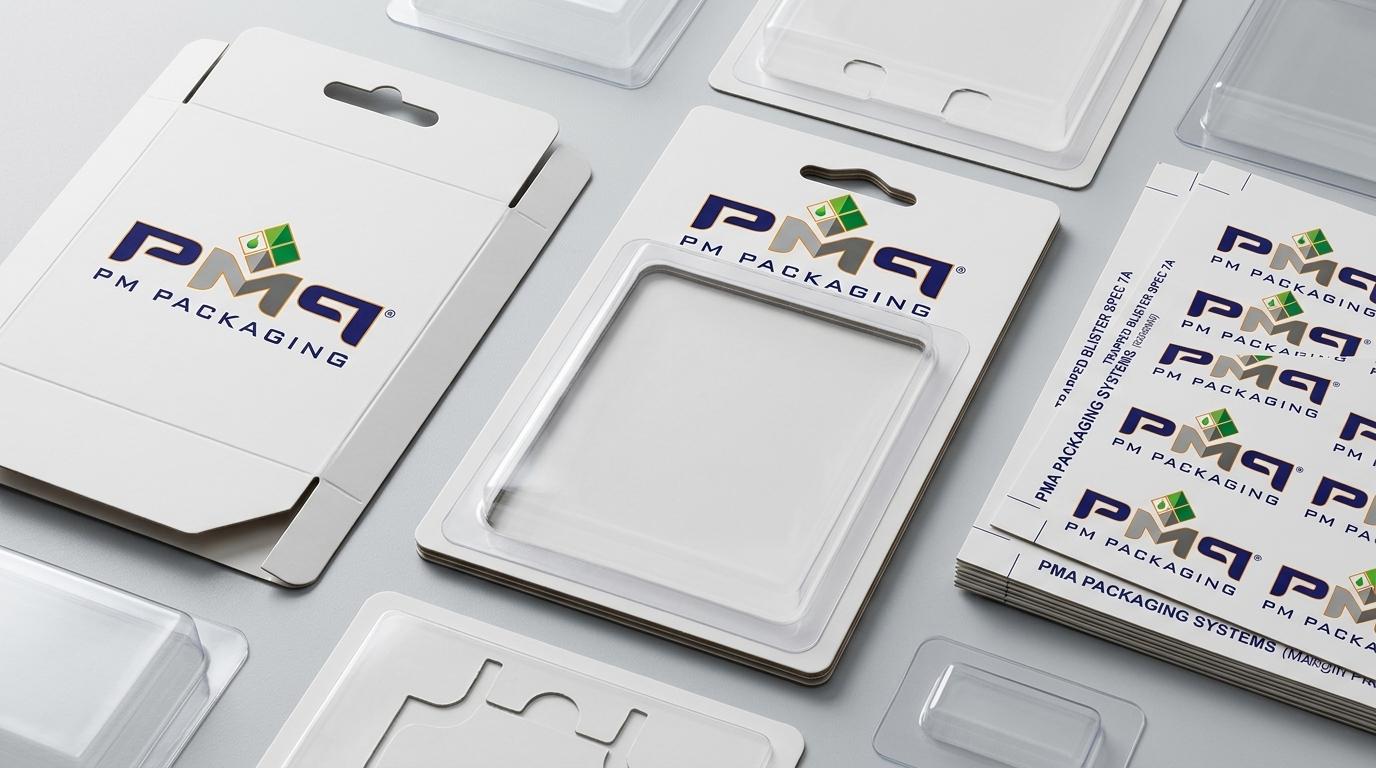
Sourcing Model Comparison: Dedicated vs. Shared Combo vs. Hybrid
The following strategic comparison outlines the core operational and financial characteristics of dedicated runs, shared combo programs, and an integrated hybrid portfolio approach:
| Strategic Metric | Dedicated Production Runs | Shared Combo Programs (qikCombo™) | Hybrid Portfolio Strategy |
|---|---|---|---|
| Order Volume Requirements | High MOQs per individual SKU | Low, flexible quantities per SKU | Optimized by individual SKU velocity |
| Production Lead Times | 4 to 8 weeks | Rapid 10-day turnaround | Fast replenishment across all tiers |
| Working Capital Exposure | High (Bulk inventory holding) | Minimal (Just-in-time purchasing) | Balanced across catalog velocity tiers |
| Obsolescence & Scrap Risk | Significant during artwork updates | Near-zero dead stock exposure | Heavily mitigated for evolving SKUs |
| Artwork Change Flexibility | Expensive plate and die changes | Seamless updates between runs | Maximum agility for seasonal lines |
| Best-Fit Application | Continuous, high-volume hero SKUs | Multi-SKU lines, resets, & launches | Enterprise retail portfolios |
The Nearshore Advantage: Speed, Reliability, and USMCA Agility
Maximizing shared blister card efficiency requires an agile manufacturing footprint. With over 45 years of packaging expertise, PM Packaging pairs structural design and pre-press engineering in San Diego, California, with high-capacity converting facilities in Baja California (Tijuana and Mexicali).
- 100% Tariff-Free USMCA Security: Seamless North American trade under USMCA / T-MEC rules of origin eliminates transpacific shipping disruptions, port congestion, and import tariff volatility.
- Rapid Ground Delivery: Finished blister cards reach West Coast and Southwest hubs within 1 to 3 days (3 to 5 days nationwide), compared to 6 to 12 weeks for ocean freight.
- Comprehensive Packaging Ecosystem: PM Packaging manufactures custom folding cartons (virgin bleached paperboard, eco-friendly kraft, and recycled board), laminated microflute packaging, luxury rigid setup boxes, and POP displays under one integrated supply chain.
Optimize Your Blister Card Supply Chain with PM Packaging
Shifting from dedicated blister card runs to shared combo programs does not mean sacrificing brand presence or manufacturing quality. By adopting an agile combo program like qikCombo™, enterprise brands eliminate costly inventory buildup, reduce scrap, and achieve rapid 10-day retail deployment.
Whether standardizing multi-SKU hardware lines, refreshing beauty pegboard assortments, or accelerating new retail product rollouts, PM Packaging provides the technical leadership and converting capacity to elevate your brand.
Streamline Your Blister Card Sourcing
Ready to streamline your blister card packaging program? Connect with the packaging specialists at PM Packaging today to evaluate your SKU portfolio and explore our shared combo manufacturing solutions.
Contact PM Packaging today to evaluate your SKU velocity breakdown, review structural CAD dielines, and discover how our nearshore qikCombo™ blister card runs can lower your minimums and accelerate shelf replenishment.