
Heavy countertop kitchen appliances—from precision espresso machines and stand mixers to digital air fryers, multi-cookers, and high-performance blenders—present a unique packaging challenge.
When brands launch an appliance line or sell primarily through direct-to-consumer channels, standard brown kraft corrugated cartons with basic one- or two-color print often suffice for transit. However, as brands scale into national retail channels, plain corrugated boxes quickly limit commercial growth. On mass retail shelves and club store pallet displays, packaging acts as the primary salesperson. It must captivate shoppers with vivid culinary photography, communicate performance, and project premium quality—all while supporting heavy product weight through retail distribution.
Transitioning from plain corrugated boxes to litho-laminated microflute packaging bridges the gap between high-impact retail branding and structural durability. For brand directors and procurement executives, knowing when to make this structural upgrade is key to accelerating retail sell-through and protecting brand equity.
Key Triggers for Upgrading to Litho-Laminated Microflute
Deciding when to transition from basic corrugated cartons to litho-laminated packaging depends on retail expansion, brand positioning, and supply chain complexity. Four commercial inflection points signal that it is time to upgrade:
Expanding into Mass Retail and Club Stores
Securing shelf space at national retailers such as Target, Walmart, Williams-Sonoma, and Best Buy—or club stores like Costco and Sam's Club—requires packaging that sells on sight. Plain brown corrugated cartons look industrial and fail to convey the craftsmanship of modern kitchen appliances.
Litho-laminated microflute combines photographic offset printing with internal fluted strength. Brands can showcase photorealistic recipe imagery, crisp typography, and culinary feature callouts. Enhanced with specialty finishes like spot UV gloss, soft-touch matte textures, or metallic foil stamping, litho-laminated cartons command attention on crowded retail aisles.
Eliminating Costly Double-Boxing and Shipper Sleeves
Many appliance brands attempt to bridge the retail gap by “double packaging”—placing a thin printed carton inside a brown corrugated box, or wrapping a plain box in a printed paper sleeve.
While this provides both branding and strength, it creates severe supply chain friction:
- Double Material Expenses: Purchasing two separate packaging items increases unit production costs.
- Packing Line Inefficiency: Packing an appliance into an inner box and then into an outer shipper doubles manual labor and slows line speeds.
- Excess Freight Volume: Double-boxing inflates outer dimensions, reducing units per pallet and increasing freight expenses.
Litho-laminated microflute integrates retail graphics directly onto a rigid, protective fluted structure in a single package. This eliminates secondary shippers, reduces material waste, and streamlines fulfillment.
Elevating the At-Home Unboxing Experience
For premium kitchen appliances, the unboxing experience is an essential brand touchpoint. Opening a rough brown corrugated carton with exposed fluting undermines customer excitement and perceived value.
Litho-laminated microflute delivers crisp folds, clean die-cut edges, and a smooth, tactile exterior. Brands can print instructional graphics, QR codes for digital recipes, and vibrant interior colors. This refined presentation reassures buyers that they have invested in a top-tier culinary device.
Preventing Flute Shadowing and Pallet Crushing
Direct flexographic printing on traditional corrugated board often causes “washboarding” or flute shadowing, where internal flutes create visible ridges and uneven ink coverage. At the same time, standard folding cartons lack the vertical rigidity needed to stack heavy appliances on club store pallet displays.
Litho-laminated microflute resolves both challenges. By printing on a separate, high-density paperboard sheet before laminating it to the fluted medium, the print surface remains smooth and free of washboarding. Simultaneously, the internal microflute core provides the structural strength required to safely stack multi-tiered appliance displays.
Packaging Comparison: Plain Corrugated vs. Litho-Laminated Microflute
A side-by-side analysis of how plain corrugated cartons compare against litho-laminated microflute across critical commercial and supply chain metrics:
| Strategic Consideration | Plain Corrugated Cartons | Litho-Laminated Microflute | Commercial Advantage |
|---|---|---|---|
| Print Quality & Shelf Impact | Basic flexographic print; visible washboarding | Photographic offset lithography; flawless finish | Maximizes shelf standout and communicates culinary performance |
| Structural Integrity | Sturdy, but requires secondary retail box | Integrated structural strength in a single carton | Eliminates double-boxing and prevents retail pallet crushing |
| Unboxing Experience | Utilitarian and industrial presentation | Premium, smooth tactile feel with clean edges | Reinforces product quality and builds brand loyalty |
| Supply Chain Efficiency | Requires multiple packaging SKUs and pack steps | Single-wall retail-ready package; ships flat | Lowers assembly labor, pallet cube, and freight expenses |
| Retail & Club Compliance | Often rejected for primary mass retail display | Fully compliant with Costco, Target, and Walmart standards | Accelerates retail buyer approvals and national rollouts |
The Nearshore Advantage with PM Packaging
Successfully upgrading an appliance packaging program requires structural design expertise and a dependable manufacturing partner. Relying on overseas suppliers for large, heavyweight cartons introduces long lead times, volatile ocean freight rates, and the risk of stockouts during peak holiday cooking seasons.
With 45+ years of packaging excellence, PM Packaging delivers a streamlined nearshore manufacturing model. With headquarters and engineering in San Diego, California and high-capacity converting facilities in Baja California (Tijuana and Mexicali), PM Packaging provides:
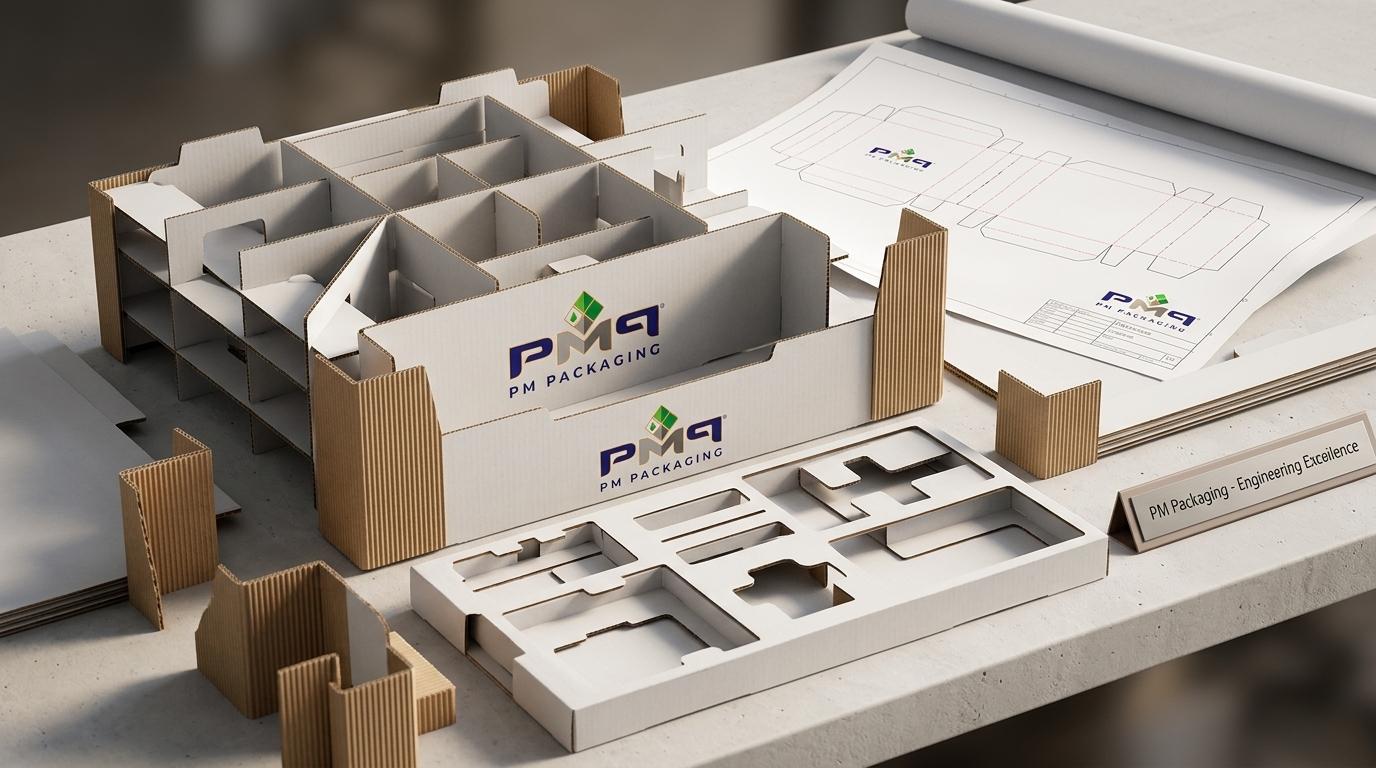
Tailored dieline development engineered for heavy appliance weights, incorporating internal paperboard drop-in trays and reinforced corners.
Color consistency across your entire appliance portfolio, ensuring your signature brand palette matches across retail channels.
Seamless cross-border operations eliminate import tariff risks, customs bottlenecks, and ocean port delays.
Rapid replenishment to West Coast and Southwest distribution hubs (3 to 5 days nationwide), keeping retail shelves stocked during peak promotional cycles.
Upgrade Your Appliance Packaging Program
Moving heavy kitchen appliances from plain corrugated cartons to litho-laminated microflute is a strategic investment that protects your product, reduces secondary packaging expenses, and positions your brand for retail leadership.
Whether preparing for an upcoming national retail rollout, launching a new culinary flagship, or streamlining multi-SKU packaging operations, PM Packaging delivers the certified quality, structural strength, and nearshore speed needed to scale.
Ready to Elevate Your Appliance Packaging?
Transition from utilitarian kraft shippers to high-impact litho-laminated microflute cartons engineered for mass retail shelves, club store pallet stacks, and premium consumer unboxing.
Contact the packaging engineering team at PM Packaging to request a structural packaging audit and custom dieline prototype today.