
For high-volume consumer brands distributing through West Coast logistics corridors, packaging availability can make or break retail execution.
Distribution hubs across Southern California, the Inland Empire, and the Pacific Northwest serve as the primary gateways for national retail giants including Walmart, Target, Costco, The Home Depot, and Best Buy. When retail velocity spikes, packaging supply chains must react in days, not months.
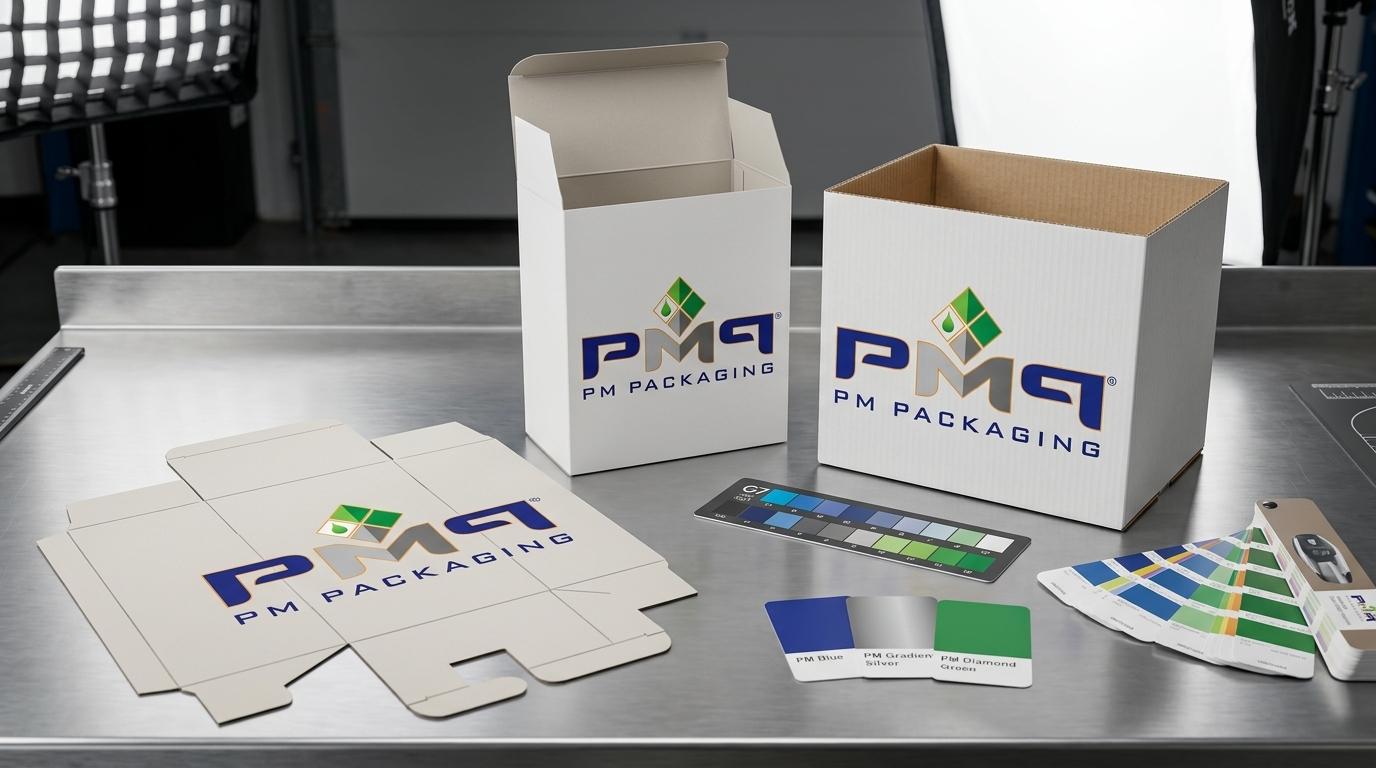
When managing diverse product portfolios—from consumer electronics and hardware tools to personal care, beauty, and specialty foods—brands rarely rely on a single packaging style. They require high-graphic custom folding cartons for primary shelf display alongside single-face laminated (SFL) microflute packaging for heavier products, multi-packs, and retail-ready pallet displays.
Historically, sourcing these formats from overseas created severe operational friction: eight- to twelve-week ocean lead times, volatile container freight costs, port congestion, and the constant risk of costly retail chargebacks when packaging delays stalled contract packing lines. Today, leading procurement executives and brand directors are replacing long-distance transpacific supply chains with agile, nearshore packaging programs engineered for just-in-time (JIT) delivery.
The Dual-Format Sourcing Challenge: Why Disjointed Supply Chains Fail
Unsynchronized Production
- Folding cartons and SFL master shippers arrive at co-packers weeks apart
- Substrate color drift between virgin paperboard and fluted corrugated liners
- Multi-million-dollar inventory cash locked in transpacific transit
Balanced JIT Fulfillment
- Single-source manufacturing for cartons, SFL microflute, and displays
- Certified G7 Master color consistency across all substrates and finishes
- 24 to 72-hour dedicated ground delivery to West Coast distribution hubs
The Dual-Format Architecture: Cartons and SFL Microflute
High-volume consumer brands often balance two primary paperboard packaging formats across their retail product catalogs to satisfy diverse retail merchandising guidelines:
Custom Folding Cartons
Engineered from virgin paperboard (such as Solid Bleached Sulfate / SBS) or high-grade recycled paperboard (CRB/CCNB) with a smooth print surface, folding cartons deliver vibrant shelf appeal for lightweight to medium-weight products.
They support sophisticated structural closures—including straight-tuck, reverse-tuck, auto-bottom crash lock bases, and tamper-evident security tabs—as well as specialty finishes like soft-touch matte coatings, spot UV gloss, and metallic foil stamping.
Single-Face Laminated (SFL) Microflute Packaging
For heavier consumer products, countertop electronics, beverage multipacks, power tools, or club store pallet formats, brands turn to single-face lamination. By laminating an offset-printed paperboard top sheet directly to a fluted structural liner (such as E-flute, F-flute, or B-flute corrugate), SFL packaging delivers the photographic print clarity of a premium folding carton combined with the crush resistance and stacking strength needed for rigorous shipping and club store presentation.
This eliminates the visual “flute washboard” effect common in direct-printed corrugated boxes while providing superior Edge Crush Test (ECT) ratings.
When brands source these complementary formats from disparate suppliers, they risk visual color mismatches on store shelves, administrative friction, and fragmented delivery schedules. Structuring both formats under a single nearshore manufacturing partner unifies brand presentation and streamlines fulfillment.
4 Pillars of a Nearshore Just-in-Time Packaging Program
Transitioning to a responsive nearshore model requires strategic alignment across four operational areas:
Synchronized Print & Converting Schedules
A consolidated nearshore converter can gang-run printed top sheets for SFL packaging alongside folding cartons sharing common brand colors. Coordinated production cycles ensure that all secondary packaging components arrive at contract packaging facilities (co-packers) in balanced sets, preventing partial pack-outs and eliminating idle labor lines.
Dynamic Kanban Replenishment
Rather than ordering months of inventory overseas based on speculative forecasts, brands establish rolling Kanban agreements with nearshore facilities. By monitoring real-time consumption at West Coast distribution centers, converters maintain pre-staged safety stock of raw board and trigger automated converting runs when inventory hits agreed reorder points.
Harmonized Color Across Substrates
Achieving identical brand colors across virgin paperboard cartons and fluted microflute liners is notoriously difficult when working with separate suppliers. A certified G7 Master nearshore partner calibrates inks and press curves across all substrate types, ensuring that signature brand hues remain identical across adjacent retail shelves and endcap displays.
Direct Cross-Border Ground Logistics
Operating along the US-Mexico border allows nearshore converters to bypass ocean port congestion entirely. Fully bonded freight carriers move finished packaging across commercial border crossings directly into West Coast distribution centers in 24 to 72 hours under tariff-free USMCA protocols.
Sourcing Model Comparison: Overseas vs. Nearshore JIT
The table below highlights the operational, logistical, and financial differences between traditional offshore sourcing and a consolidated nearshore JIT packaging program:
| Strategic Dimension | Offshore Sourcing (Asia) | Nearshore JIT Dual Program | Commercial Advantage |
|---|---|---|---|
| Production & Transit Lead Time | 8–12 weeks via ocean freight | 2–3 weeks production; 1–3 days ground transit | Rapid reaction to retail demand surges |
| Inventory Holding & Warehousing | 60–90 days of safety stock in high-cost West Coast DCs | 10–15 days of active working stock | Drastically lower domestic warehousing overhead |
| Tariff & Customs Risk | Subject to shifting tariffs, port delays, and customs holds | 100% tariff-free entry under USMCA compliance | Predictable landed costs and clean border clearance |
| Packaging Synchronization | Disjointed shipments cause co-packer bottlenecks | Balanced truckload deliveries of cartons and SFL | Maximizes co-packer uptime and throughput |
| Color & Quality Governance | Difficult on-site audits; frequent inter-format color drift | G7 Master certified color matching across all formats | Consistent, high-prestige retail brand presence |
The Strategic Advantage of Nearshore Agility with PM Packaging
For more than 45 years, PM Packaging has engineered high-performance retail packaging solutions for North America’s leading consumer brands. By bridging executive design and structural engineering in San Diego, California with large-scale converting facilities in Baja California (Tijuana and Mexicali), PM Packaging delivers an unmatched nearshore operational footprint:
Multi-Format Capabilities
High-speed folding cartons, high-impact SFL microflute packaging, blister cards, rigid setup boxes, and retail POP displays manufactured under a single ISO 9001 quality system.
1 to 3-Day Ground Transit
Direct ground transit to Southern California and West Coast distribution centers (3 to 5 days nationwide), keeping assembly lines supplied without ocean shipping risk.
100% USMCA Tariff-Free Compliance
Seamless, duty-free cross-border trade that protects bottom-line margins and provides predictable landed costs.
Retail Compliance Expertise
Proven engineering to meet strict packaging and palletization guidelines for Walmart, Target, Costco, Sam’s Club, and national hardware chains.
Modernize Your West Coast Packaging Supply Chain
Building a responsive nearshore packaging program eliminates supply chain volatility, cuts warehousing costs, and guarantees flawless retail execution across folding cartons and SFL microflute packaging.
Ready to optimize your packaging supply chain? Contact the commercial packaging engineering team at PM Packaging today to evaluate your folding carton and SFL microflute programs and discover how nearshore manufacturing can accelerate your West Coast delivery timelines.