
In automated manufacturing plants, pharmaceutical cleanrooms, and aerospace facilities, industrial sensors serve as the vital nerve center of daily operations. Whether monitoring pressure, temperature, flow, or vibration, these instruments demand uncompromised measurement accuracy. To ensure regulatory compliance and prevent unplanned downtime, enterprise sensor manufacturers supply field engineers with dedicated calibration kits.
These kits represent high-value, long-term working tools. Inside, delicate reference instruments, precision probes, optical standards, interface cables, and calibration records must remain organized and protected across years of field service.
For brand directors and packaging procurement executives, standard folding cartons and basic corrugated shippers fall short. Leading sensor manufacturers are adopting custom rigid setup boxes engineered nearshore to deliver robust physical protection, streamlined field organization, and an elevated presentation that reinforces premium brand value.
The Operational Demands of Industrial Calibration Kits
Field calibration occurs in demanding, time-critical environments. When a service technician opens a calibration kit on the plant floor, the packaging structure directly influences workflow speed and device reliability:
- Protecting Sensitive Transducers: Calibration standards contain delicate electronic transducers and optical reference cells that cannot tolerate transit shock or internal shifting.
- Organizing Multi-Piece Toolsets: A complete kit houses five to ten discrete components, including handheld calibrators, modular probes, and interface leads. Disorganization causes misplaced parts and costly service delays.
- Supporting Continuous Field Reuse: Unlike single-use packaging, a calibration kit box serves as a portable benchtop storage station utilized across dozens of maintenance cycles each year.
- Securing Essential Compliance Records: Technicians require instant access to serialized certificates, NIST-traceable sheets, and quick-start reference guides.
Core Structural Features of Rigid Calibration Packaging
Designing rigid setup boxes for high-reliability calibration kits balances physical durability with technician-friendly ergonomics. Key structural design elements include:
1. Multi-Tiered Modular Paperboard Trays
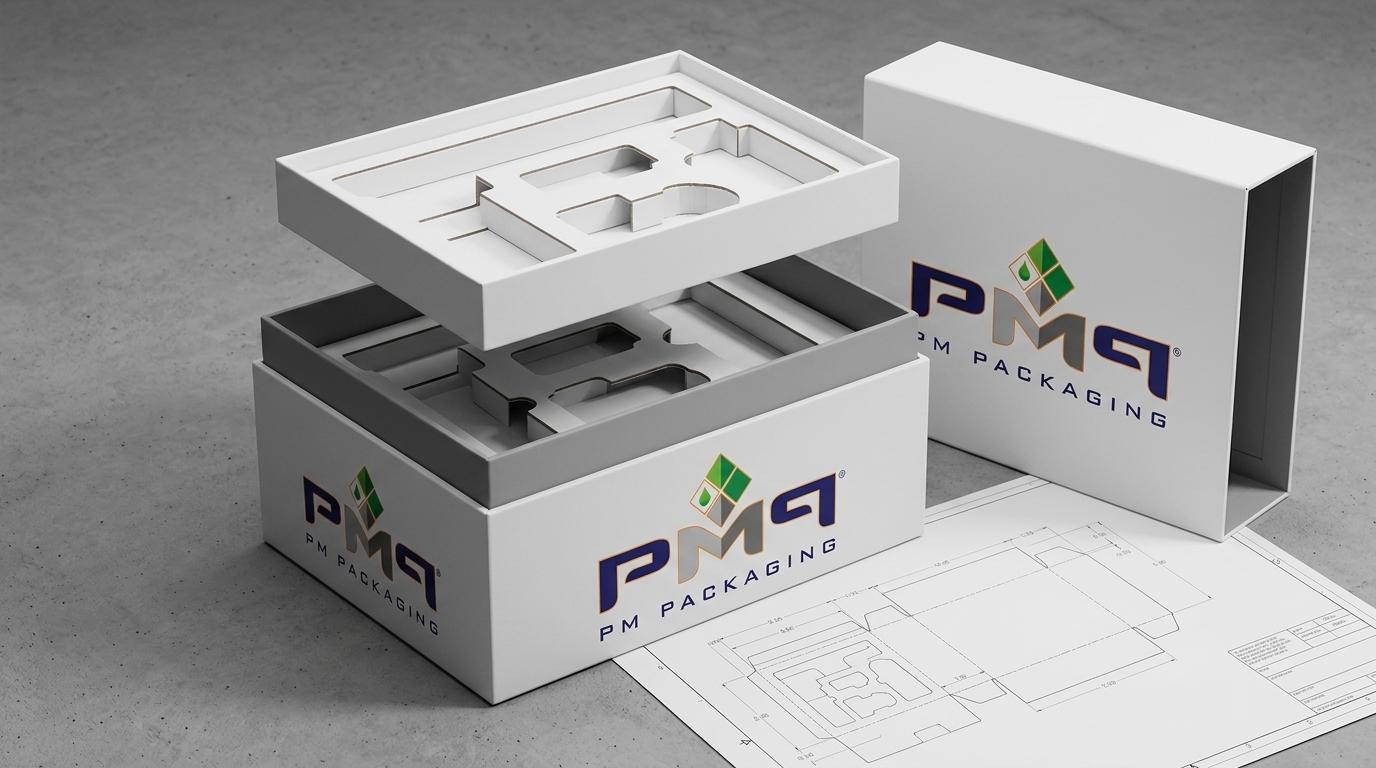
A two-level interior layout establishes an intuitive workflow. The primary handheld calibrator rests securely in a custom upper tray. Dedicated lower compartments store interchangeable sensor adapters, cables, and power accessories—preventing tangled leads and protecting delicate connector pins.
2. Magnetic-Closure and Telescoping Formats
Book-style boxes with embedded magnetic closures provide a secure seal that endures repeated field handling without latch failure. When opened on a service bench, the lid stays flat, converting the packaging into an organized on-site workstation.
3. Integrated Document Sleeves and Lid Schematics
A structural document pocket integrated into the inner lid keeps ISO calibration certificates clean and visible. Printing terminal wiring diagrams on the interior lid gives technicians immediate visual guidance, reducing customer support calls.
4. Precision-Fitted Protective Inserts
Custom paperboard interior structures and protective insert trays match the exact geometry of each sensor component, preventing internal collisions and transit damage.
Strategic Comparison: Packaging Formats for Calibration Kits
Selecting the right packaging format directly influences field performance, customer brand perception, and total landed logistics costs:
| Strategic Factor | Custom Rigid Setup Boxes | Heavy Molded Plastic Cases | Standard Folding Cartons |
|---|---|---|---|
| Component Protection | High: Sturdy rigid board structure absorbs drops and prevents crushing | High: Thick plastic exterior resists heavy impacts | Low: Light paperboard offers minimal drop protection |
| Field Organization | Superior: Tiered trays and custom cavities organize multi-piece kits | Moderate: Deep foam cavities make small accessories hard to reach | Poor: Loose components shift and tangle during transit |
| Brand Perception | Executive: Crisp litho wrap and luxury finishes signal enterprise quality | Industrial: Bulky and utilitarian, lacking brand sophistication | Commodity: Resembles consumer packaging rather than an enterprise tool |
| Freight Efficiency | Optimized: High strength-to-weight ratio minimizes air and ground freight | Heavy: Adds significant shipping weight and warehouse volume | Light: Low shipping weight but high risk of damaged contents |
| Sustainability Profile | Eco-Friendly: Made with certified, recyclable structural paperboard | Low: Non-biodegradable petroleum-based plastics | Eco-Friendly: Fully recyclable paperboard substrate |
| Best Suited Application | Precision electronic calibration kits, analytical analyzers, lab tools | Heavy outdoor field tools and submerged testing gear | Single-sensor replacement parts and basic consumables |
Protecting Recurring Service Agreements and Brand Equity
In the industrial automation sector, sustained profitability is driven by high-margin calibration service agreements, re-certification programs, and software-connected analytics. The packaging housing your calibration kit is an enduring physical touchpoint between your brand and enterprise clients.
When facility managers receive a master calibration kit in a finely crafted rigid setup box, it validates your product's premium pricing. An organized layout speeds up routine calibration procedures, minimizing maintenance downtime and reinforcing customer trust.
The Nearshore Manufacturing Advantage with PM Packaging
For North American industrial sensor brands, relying on overseas packaging suppliers introduces severe supply chain vulnerabilities. Ocean shipping transit times of 6 to 12 weeks, port bottlenecks, and fluctuating import tariffs jeopardize hardware delivery schedules and tie up working capital.
With over 45 years of packaging manufacturing expertise, PM Packaging provides a resilient nearshore manufacturing model that pairs engineering leadership at our San Diego, California headquarters with advanced converting facilities in Baja California (Tijuana and Mexicali):
- 100% Tariff-Free USMCA Trade: Nearshore converting complies fully with USMCA rules, eliminating import duties and customs delays.
- Rapid Ground Transit: Finished rigid packaging reaches West Coast and Southwest industrial hubs in 1 to 3 days (3 to 5 days nationwide), supporting agile hardware assembly timelines.
- G7 Master Certified Print Quality: Advanced offset lithography delivers photographic color fidelity, soft-touch matte finishes, and metallic accents that elevate your brand presentation.
- Collaborative Engineering & Rapid Prototyping: In-house structural designers work directly with your engineering team to develop and test custom-fit inserts tailored to your hardware.
Elevate Your Industrial Sensor Packaging with PM Packaging
Your industrial sensors and calibration standards represent the highest standards of engineering precision. Your packaging should reflect that same dedication to quality, durability, and operational excellence. Custom rigid setup boxes protect sensitive instruments, streamline field technician workflows, and strengthen enterprise brand credibility across every deployment.
Ready to enhance your calibration kit packaging program? Connect with the packaging specialists at PM Packaging today to discuss your project specifications and request a custom structural prototype.
Ready to Engineer Precision Calibration Kit Packaging?
Partner with PM Packaging for custom-engineered rigid setup boxes, multi-tier precision die-cut paperboard inserts, and rapid nearshore delivery that safeguards your sensitive calibration instruments.
Benefit from 45+ years of packaging manufacturing mastery, 100% tariff-free USMCA production, and 1 to 3-day ground transit across Western industrial corridors.