
The global transition toward e-mobility and distributed clean energy has transformed electric vehicle supply equipment (EVSE) into a high-velocity retail and commercial trade sector.
Level 2 residential wallboxes, North American Charging Standard (NACS / SAE J3400) adapters, solar microinverters, and smart home energy hubs combine extreme physical mass (10 to 25 lbs of dense copper cabling and cast-aluminum enclosures) with delicate solid-state electronics, glass interfaces, and high average selling prices ($300 to $1,500+). Packaging in this space must simultaneously prevent catastrophic structural blowout, comply with strict big-box retail standards, and deliver an elevated clean-tech unboxing experience.
Core Packaging Challenges in EV & Clean Energy Hardware
1. The Multi-Channel Commercial Ecosystem: Retail, Wholesale, and OEM
Clean energy hardware flows through four distinct commercial distribution channels, each imposing unique physical, visual, and operational constraints on packaging structures:
Demands high top-load compression in high-bay pallet racking, GMI-certified 175+ LPI litho print to communicate electrical specifications, and blind structural integration of EAS RF/AM anti-theft security tags.
Relies heavily on pegboard merchandising. Dense adapters and portable travel cables (2 to 6 lbs) require reinforced hang tabs (48pt–56pt multi-ply SBS) that resist continuous consumer pull forces.
Requires contractor-centric ergonomics: integrated heavy-duty carry handles, easy-open tear strips, bold UL/NEMA rating labeling, and rugged master cartons built for rough job-site transit.
Requires luxury rigid setup boxes with soft-touch finishes and magnetic closures for vehicle sales, or drop-tested ISTA 6-Amazon SIOC primary shippers eliminating double-boxing waste.
2. Structural Substrate Engineering: Solving the High-Density Dilemma
The central physical challenge in EVSE packaging is **concentrated kinetic mass**. A standard residential Level 2 EV charger pairs a 4-to-8 lb wallbox housing delicate PCBs and glass interfaces with a 15-to-25 foot heavy-gauge copper cable (often 8 AWG to 6 AWG conductors) terminating in a solid brass connector. The total packaged unit frequently weighs between 12 and 22 lbs.
Under dynamic transit conditions (truck vibration, sorting drops, rail humping), the coiled copper cable acts as a kinetic hammer. If packaged in standard folding carton board, the cable will rupture box sidewalls. If packaged in direct-print flexo corrugated boxes, flute lines (“washboarding”) degrade the premium brand appearance.
Solid Bleached Sulfate (SBS) (18pt–28pt)
100% bleached virgin chemical pulp with 90+ GE brightness and smooth clay coating on both exterior and interior plies.
Coated Unbleached Kraft (CUK) (20pt–32pt)
Virgin unbleached kraft pine fibers providing maximum tear resistance, high tensile strength, and wet-strength integrity.
Single Face Laminate: F-Flute SFL (1/32")
128 flutes per linear foot delivering an ultra-smooth, washboard-free surface laminated to G7 offset litho top sheets.
Single Face Laminate: E-Flute SFL (1/16")
90 flutes per foot offering 44–55+ ECT dynamic drop strength and 2,000+ lbs Box Compression Test (BCT) values.
| Criteria | SBS (24pt–28pt) | CUK (24pt–28pt) | F-Flute SFL | E-Flute SFL | Rigid Setup Box |
|---|---|---|---|---|---|
| Product Weight Target | 0.5 – 3.0 lbs | 1.5 – 6.0 lbs | 4.0 – 12.0 lbs | 10.0 – 25.0+ lbs | 5.0 – 20.0 lbs |
| Edge Crush Test (ECT) | N/A (Bending board) | N/A (High tear) | 36 – 42 ECT | 44 – 55+ ECT | N/A (Rigid core) |
| Box Compression (BCT) | Low to Moderate | Moderate | High (1,200+ lbs) | Superior (2,000+ lbs) | Maximum Rigidity |
| Print Quality (LPI) | G7 Litho (175–200) | G7 Litho (175) | G7 Litho (175–200) | G7 Litho (175–200) | Litho Wrap (175–200) |
| Washboard Flute Lines | None (Flat) | None (Flat) | Zero Washboarding | Zero Washboarding | None (Wrapped) |
| Kinetic Puncture Resistance | Low | Moderate to High | High | Maximum | High |
| Automated Pack Speed | Ultra-Fast | Fast (Auto-Bottom) | Moderate to High | Moderate (RETT) | Low (Kitted) |
| Relative Cost Factor | Baseline (1.0x) | 1.10x – 1.15x | 1.30x – 1.45x | 1.35x – 1.55x | 2.50x – 4.00x |
3. Structural Dieline Architectures for Clean Energy Hardware
Structural dieline selection determines physical product containment during drops, pallet stacking strength, and line-speed efficiency at contract packaging facilities:
1. Rolled End Tuck Top (RETT) with 3-Ply Roll-Over Sidewalls (E-Flute SFL)
The gold standard for residential Level 2 EV charging stations. When folded, the lateral panels roll inward over locking tabs to create a triple-ply (3-ply) corrugated wall along the box perimeter. This provides exceptional corner post strength, preventing carton collapse when pallets are stacked 3-to-4 tiers high in distribution centers. The top lid opens like a presentation chest, immediately framing the wallbox unit in the primary focal zone.
2. Pre-Glued Auto-Bottom (Crash-Lock / 1-2-3) Cartons
For high-velocity accessories—such as smart current transformers (CT clamps), solar monitoring modules, and cable holsters—auto-bottom cartons ship flat-knocked-down (FKD) with pre-glued bottom gussets. Packers open and square the carton in under 1.2 seconds (vs 7.8 seconds for manual snap-lock cartons), saving hundreds of labor hours per 100,000 units.
3. High-Strength Trapped & Fold-Over Blister Cards for NACS Adapters
The surge toward the North American Charging Standard (SAE J3400 / NACS) has created massive demand for heavy-duty adapters (weighing 2 to 4 lbs). Trapping the thermoformed RPET blister flange securely between two plies of 24pt–28pt SBS (48pt–56pt total card thickness) prevents pegboard tear-out and retail razor slashing while presenting full-bleed G7 lithographic branding.
4. Internal Fitment Engineering: Cable Containment & Shock Isolation
In EVSE packaging, the exterior carton represents only half the engineering solution. The interior fitment architecture must solve three critical mechanical challenges: **cable dynamic springback memory, center-of-gravity stabilization, and optical surface protection**.
Engineered 3-Tier Internal Fitment Architecture
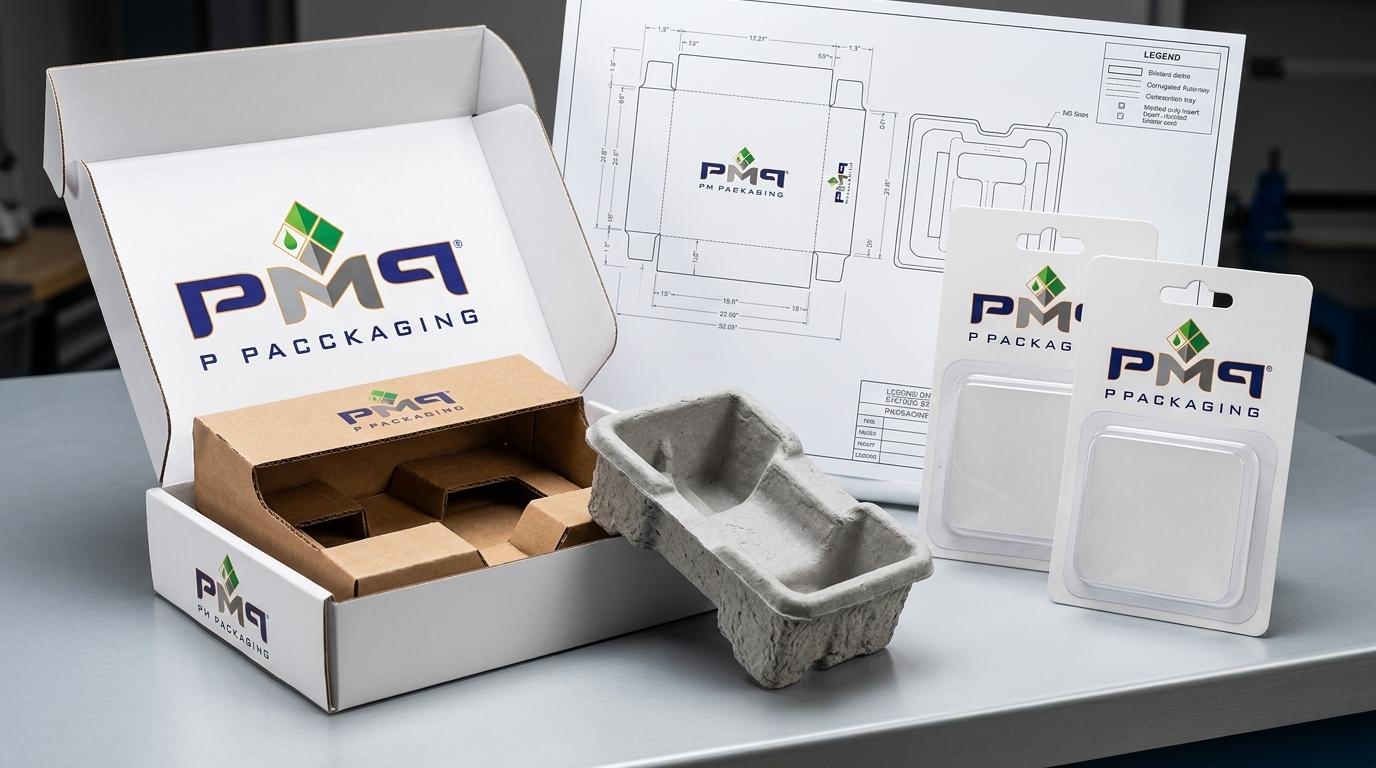
5. Print Finishes, Specialty Coatings & G7 Master Color Standardization
Clean energy hardware represents the intersection of heavy industrial electrical equipment and premium consumer technology. Packaging must project electrical safety and rugged reliability while delivering sleek, tech-forward retail presentation:
Idealliance G7 Master Certified offset presses (6-to-8 colors, 175–200 LPI) guarantee exact spectral color calibration across folding cartons, SFL boxes, and retail displays.
Velvety, non-reflective tactile coatings that resist scuffs, fingerprints, and warehouse dust while providing a luxury background for clean-tech branding.
High-gloss raised UV highlights over hardware silhouettes and charging speeds (e.g. “48A / 11.5 kW”), paired with metallic foil accents for UL safety verification badges.
6. High-Volume Co-Packing, Assembly Speed, and the qikCombo™ Program
For rapidly scaling EV hardware companies, packaging procurement must balance unit economics with contract assembly throughput and high-SKU agility:
The PM Packaging qikCombo™ Solution for High-SKU Adapter Lines
Managing separate packaging runs for 10 to 30 distinct adapter SKUs (NACS-to-CCS1, NACS-to-J1772, NEMA 14-50, NEMA 6-50, 120V Level 1 kits) creates excessive tooling costs and inventory lock-up. The qikCombo™ program gangs multiple part numbers onto large-format offset press sheets:
7. Supply Chain Strategy: Nearshore Manufacturing & USMCA Advantage
Transpacific ocean sourcing introduces 8-to-14 week lead times, 25% Section 301 tariffs, container demurrage risks, and paperboard moisture absorption during ocean transit. PM Packaging provides an agile, resilient North American nearshore model:
The PM Packaging Nearshore Advantage (San Diego & Baja California):
- 1 to 3 Days Ground Transit to California & Southwest Distribution Centers
- 100% USMCA / T-MEC Tariff-Free & Zero Section 301 packaging duties
- Dual-Plant Redundancy across Tijuana and Mexicali converting facilities
- C-TPAT & OEA Fast-Track dedicated commercial border security lanes
- San Diego Headquarters for CAD engineering, rapid sampling, and account management
- Vendor-Managed Inventory (VMI) and safety buffer programs for JIT delivery
8. 10-Point Technical Procurement Checklist for EV Hardware
Conclusion: Partnering with PM Packaging for Clean Energy Scale
For over 45 years, **PM Packaging** has engineered and manufactured high-performance packaging programs for leading enterprise brands across North America. With large-format 6-to-8 color litho presses, advanced single-face litho-lamination lines, G7 Master color certification, the agile qikCombo™ program, and a responsive nearshore manufacturing footprint across San Diego and Baja California, PM Packaging provides the capacity, structural engineering, and supply chain speed required to lead the clean energy hardware revolution.
Planning an EV Charging or Clean Energy Packaging Program?
Transform high-mass EV charging cables, Level 2 wallbox chargers, and multi-SKU adapter catalogs into a consolidated, high-efficiency packaging program engineered for big-box retail and direct fulfillment.
Optimize dielines, engineer high-burst SFL microflute cartons, eliminate EPS foam with curbside recyclable inserts, and leverage nearshore US-Mexico manufacturing to protect gross margins and slash delivery lead times.
Connect with PM Packaging's structural engineering and procurement team today to audit your dielines, review substrate options, and receive a competitive production proposal.