
Paperboard caliper is one of the most important specifications in a folding-carton program.
A carton that is too thin will bow, crush, or tear. A carton that is unnecessarily thick adds cost, resists clean score folds, and runs poorly on cartoning lines. The correct choice balances caliper points, board grades, and structure.
Selecting paperboard thickness requires analyzing product weight, carton dimensions, and retail shelf setups. Packaging formats include folding cartons (standard points calipers), blister cards (backing cards), and single face lamination (SFL microflutes for heavy products). Shippers, partitions, and pallets must be engineered together.
Understand Caliper, Basis Weight, and Board Stiffness
Caliper refers to the thickness of paperboard, commonly measured in points (one point equals 0.001 inches). Basis weight refers to sheet weight per unit area. Two boards with the same caliper point can vary in fiber density, stiffness, fold performance, and print texture.
Solid Bleached Sulfate (SBS) provides a smooth, white coated surface for high-graphics consumer boxes. Coated Recycled Board (CRB) offers cost savings but has lower fiber stiffness per point. Grain direction must align with panels to resist bowing.
Coordinate Caliper With Product Weight and Carton Style
Heavy products place stress on tuck flaps, sidewalls, and glue seams. Auto-lock bottom and snap-lock designs reinforce product support. When panels are wide, unsupported spans bow easily, requiring thicker points or internal inserts.
Die-cut windows reduce board stiffness, requiring wider borders or higher calipers to maintain box squareness. Hanging peg card headers require double-wall panels or integrated reinforced hang holes to prevent tearing on pegs.
Manage Sourcing and Landed Carton Program Costs
Sourcing folding carton programs requires coordinating fixed delivery slots. Production plans must sync printed packages, display components, master cases, and carrier pickup appointments to meet retailer receiving deadlines.
Landed cost reviews calculate the entire program—die setup, kitting labor, warehousing, freight, and scrap. Partnering with a manufacturer offering regional printing, lamination, and delivery supports scheduled replenishment releases.
"Selecting a paperboard caliper and grade connects structural dielines directly with weekly production needs, reducing launch risks."
Confirm Capacity, Quality Standards, and Replenishment
Retail rollouts require split planning—large store fills vs. ongoing SKU-level replenishment. Safety stock release programs allow manufacturing in economical runs while delivering flat blanks on demand to Mexican kitting plants.
Sourcing plans require material continuity reservations (paperboard, corrugated mediums) and duplicate tooling dies to manage risk. Transitioning packaging alongside product engineering updates coordinates your cross-border supply chain.
Caliper Sourcing Integration
Planning paperboard calipers and grade qualities early ensures a reliable retail rollout path.
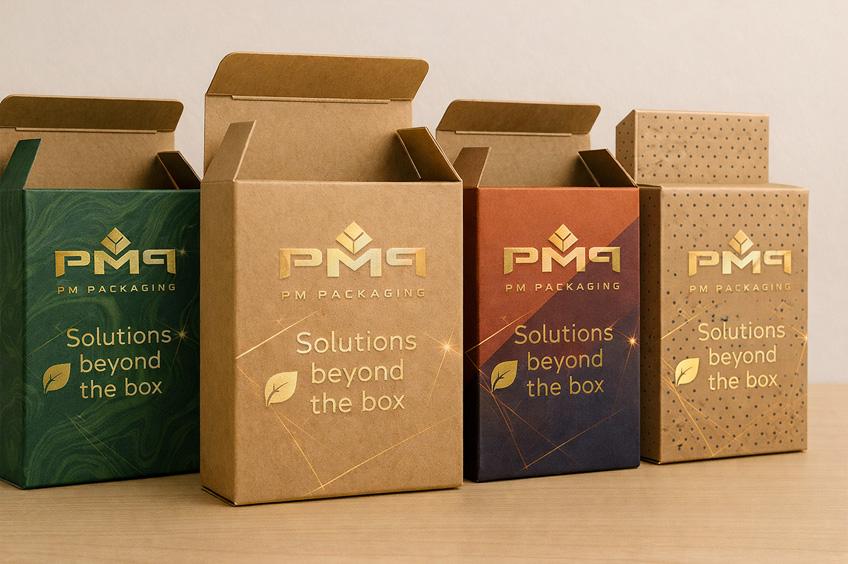
PM Packaging manufactures printed cartons, blister cards, SFL boxes, and display stands. Contact our design group.