
In retail, visibility matters. A strong product can still be overlooked if it is not presented in a way that catches attention, communicates value, and encourages shoppers to engage.
So, what is an in-store display? An in-store display is a promotional or merchandising structure placed inside a retail location to showcase products in a more visible and organized way than standard shelf placement alone.
At PM Packaging, in-store displays are an important part of retail packaging strategy because they help brands create opportunities for stronger presentation, better organization, and more effective shopper engagement.
Why In-Store Displays Matter
Retail stores are crowded environments. Standard shelf placement often limits how much attention a brand can get. An in-store display helps solve that problem by giving products a dedicated presence.
Key benefits include:
- Increased product visibility
- Support for campaigns
- Encouraged impulse purchases
- Better product organization
- Reinforced brand identity
- Improved presentation
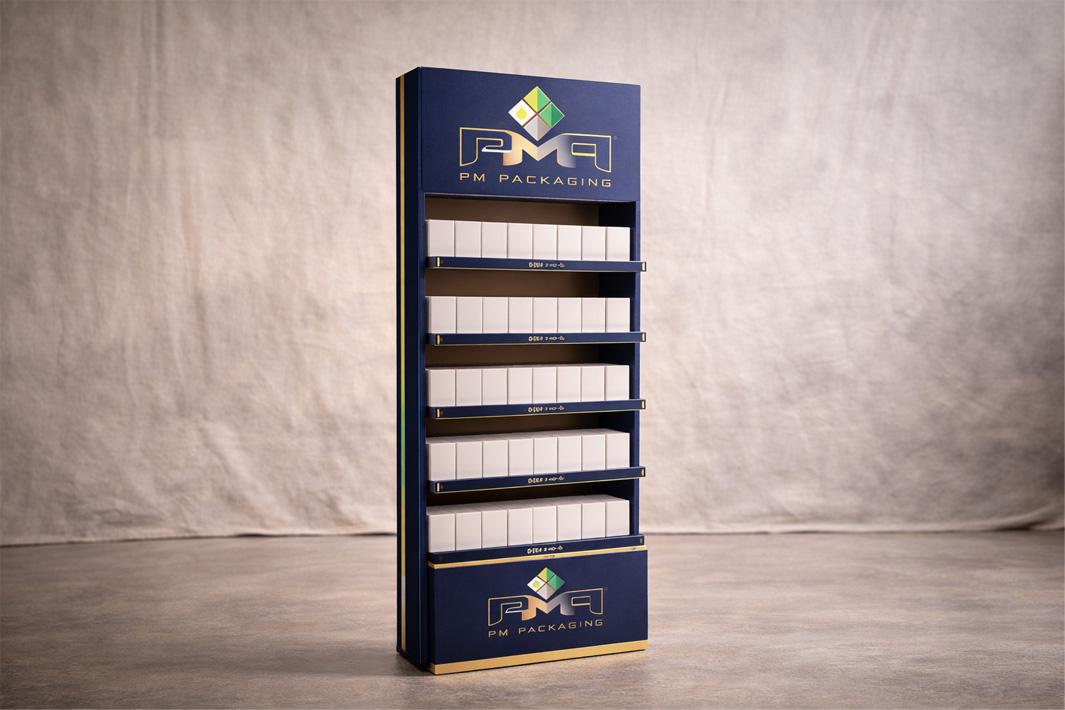
Common Types of Displays
The right display depends on the product, the store, and the objective. Different formats excel at different retail tasks:
- Floor Displays: Freestanding units placed directly on the sales floor for strong visual impact.
- Endcap Displays: Placed at the ends of aisles, visible from multiple directions.
- Counter Displays: Compact units for checkout areas, ideal for impulse purchases.
- Pallet Displays: High-volume solutions for warehouse clubs and big-box retailers.
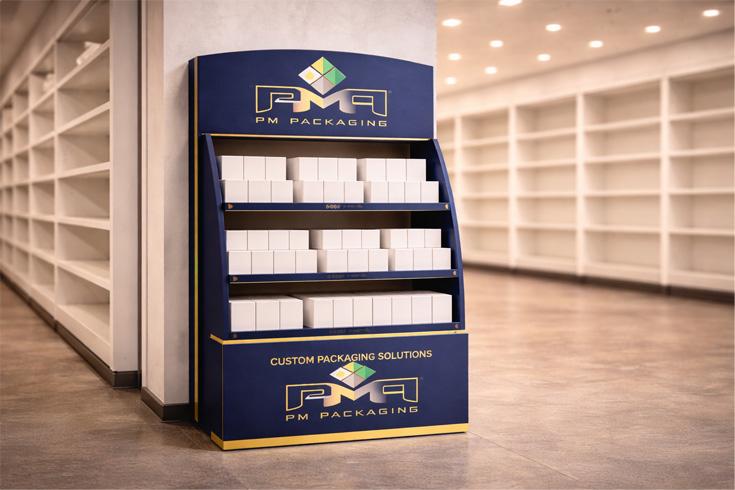
What Makes a Display Effective?
Not every display works equally well. Transitioning from ordinary placement to a special display requires attention to structural stability, ease of shopping, and brand clarity.
At PM Packaging, we focus on factors like efficient replenishment and retail fit. A display needs to make sense for its location—whether it's a floor display in an entry zone or a sidekick unit on a specific aisle.
Final Thoughts
"In-store displays represent the intersection of packaging and retail strategy—turning placement into performance."
From floor displays to counter units, these structures play an important role in how products are seen and sold. For brands that want to strengthen their retail presence, an intentional display strategy is essential.
For PM Packaging, in-store displays are about more than just structures; they are part of how we help brands move products effectively in the retail environment.