
Choosing the right packaging is about more than appearance. The structure you select affects product protection, cost, shipping efficiency, shelf presentation, and how customers perceive your brand. Two of the most common options for premium paper-based packaging are rigid boxes and folding cartons. While both can be highly effective, they serve different purposes and support different product goals.
So, which is right for your product? The answer depends on what you are packaging, how it will be sold, the experience you want to create, and the level of presentation your brand requires.
At PM Packaging, we help businesses evaluate packaging based on both performance and presentation. Understanding the difference between rigid box packaging and folding carton packaging is an important step in choosing the right solution.
Understanding the Difference Between Rigid Boxes and Folding Cartons
At a glance, both rigid boxes and folding cartons can look polished and retail-ready. But structurally, they are very different.
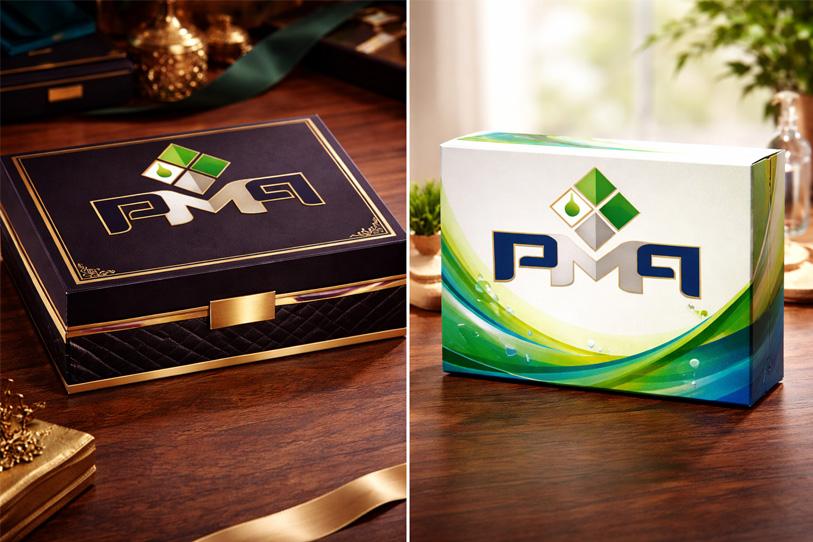
A rigid box is made from thick chipboard that is wrapped with printed or decorative paper. It is pre-formed, non-collapsible, and holds its shape at all times. This gives it a sturdy, substantial feel that is often associated with luxury packaging.
A folding carton is made from paperboard that is printed, die cut, folded, and glued into shape. It ships flat and is assembled when needed. Folding cartons are lighter, more space-efficient, and often more cost-effective than rigid boxes.
In simple terms:
- Rigid boxes are premium, sturdy, and presentation-driven
- Folding cartons are versatile, efficient, and scalable
Both have important advantages, but the right choice depends on the needs of your product and brand.
What Is a Rigid Box Best For?
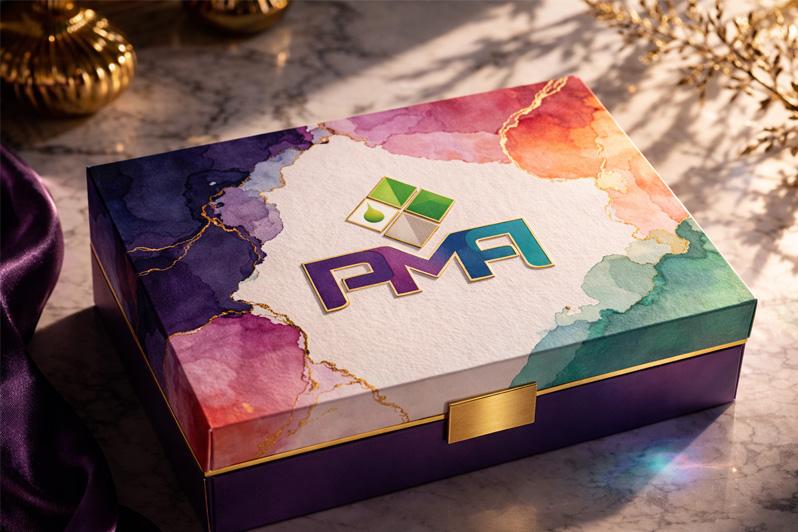
Rigid boxes are often used when packaging is meant to feel like part of the product experience. Because they are thick, durable, and high-end in appearance, they are commonly chosen for products where presentation matters as much as protection.
Rigid boxes are ideal for:
These boxes are often used when brands want to create a stronger first impression, support premium pricing, or deliver a memorable unboxing experience.
Benefits of Rigid Boxes
Premium Appearance
Rigid boxes immediately feel upscale. Their thicker construction and refined finishes help communicate quality and value.
Strong Product Protection
Because they are made from thick board, rigid boxes provide a higher level of structural protection than most folding cartons.
Memorable Unboxing Experience
Rigid boxes are often designed to create a reveal. Lift-off lids, magnetic closures, ribbon pulls, and inserts all help turn the package into part of the customer experience.
Higher Perceived Value
The packaging itself can make a product feel more premium. This is especially important for giftable products and luxury brands.
Considerations With Rigid Boxes
Rigid boxes offer many benefits, but they are not the right choice for every product. They usually come with:
- Higher material and production costs
- More storage space requirements
- Less shipping efficiency because they do not collapse flat
For brands focused on luxury presentation, those tradeoffs may be worthwhile. For high-volume products or more cost-sensitive markets, folding cartons may be the better fit.
What Is a Folding Carton Best For?
Folding cartons are one of the most widely used packaging formats because they offer an excellent balance of branding, function, and efficiency. They can be simple or elevated, depending on the design and finishing used.
Folding cartons are ideal for:
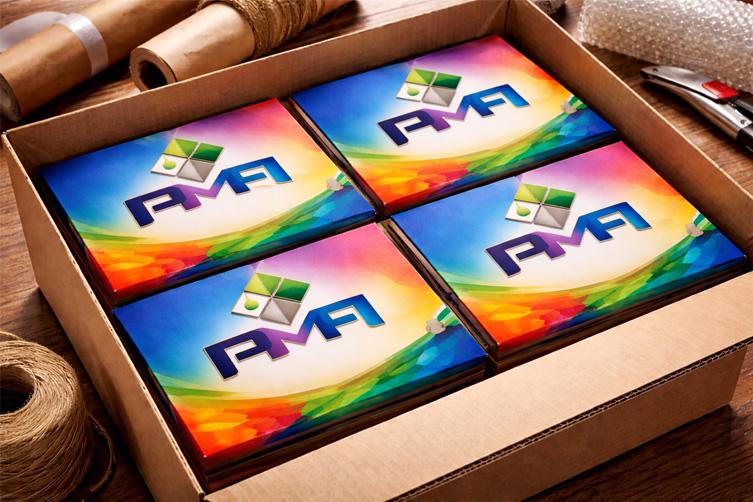
Because folding cartons ship flat, they are efficient for storage, shipping, and automated packing operations. They also offer strong printability and a wide range of structural options.
Benefits of Folding Cartons
Cost Efficiency
Folding cartons are generally more affordable than rigid boxes, making them a practical choice for many retail products.
Flat Shipping and Storage
Since they ship flat before assembly, folding cartons take up less space in storage and transit.
Strong Branding Potential
Folding cartons offer multiple printable panels for logos, product information, instructions, and brand messaging.
Versatility
They can be produced in many shapes, sizes, and styles, from standard tuck-end cartons to sleeves and specialty structures.
Scalable for Retail Packaging
Folding cartons are especially well suited for larger production runs and products that move through automated packing lines.
Considerations With Folding Cartons
Folding cartons are highly effective, but they do not create the same heavy, premium feel as rigid boxes. If your brand is focused on luxury presentation or a more elevated unboxing experience, a folding carton may need added finishing or structural enhancements to achieve the desired effect.
Key Factors to Consider When Choosing Between a Rigid Box and a Folding Carton
When deciding between rigid box packaging and folding carton packaging, there are several factors to evaluate.
1. Product Value and Market Position
If your product is premium, giftable, or positioned as a luxury item, a rigid box may be the better choice. It reinforces quality and can help justify a higher price point.
If your product is more mainstream, cost-sensitive, or high volume, a folding carton may offer the best balance of presentation and practicality.
2. Protection Requirements
If the product is fragile or requires a higher level of structural support, rigid boxes can provide stronger protection. This is especially true when combined with custom inserts.
If the product is lightweight and does not need heavy structural reinforcement, a folding carton may be more than sufficient.
3. Shipping and Storage Efficiency
Folding cartons are the more efficient choice when space and logistics matter. Their flat shipping format helps reduce warehousing and transportation demands.
Rigid boxes require more space because they are pre-formed, which can increase logistics costs.
4. Unboxing Experience
If the unboxing experience is an important part of your brand strategy, rigid boxes usually have the advantage. They feel more substantial and offer more opportunities for premium presentation.
Folding cartons can still look excellent, but they tend to be more functional than experiential.
5. Budget
Budget is often one of the biggest factors. Rigid boxes generally cost more due to thicker materials, added labor, and more involved production.
Folding cartons are often the better choice when cost control is important or when packaging needs to scale across larger product volumes.
6. Retail Environment
Think about where and how the product will be sold.
- If the product will be displayed in a luxury retail setting, gifted, or sold direct-to-consumer with a premium brand experience, a rigid box may align better with those goals.
- If the product will be sold in standard retail channels where efficiency, visibility, and information matter most, a folding carton may be the stronger option.
Rigid Box vs Folding Carton: A Simple Comparison
Here is a practical way to think about the difference:
Choose a Rigid Box if You Need:
- A luxury presentation
- Stronger structure
- A premium unboxing experience
- Higher perceived value
- Packaging that feels like part of the product
Choose a Folding Carton if You Need:
- Cost efficiency
- Flat shipping and storage
- Scalable retail packaging
- Strong print and branding space
- A practical balance of function and presentation
Can Folding Cartons Still Look Premium?
Yes. A folding carton does not have to look basic. With the right structural design and finishing, folding cartons can still create a very polished appearance.
Options such as:
can help elevate folding carton packaging significantly. For many brands, this creates the right middle ground between premium appearance and production efficiency.
At PM Packaging, folding cartons can be designed to support both shelf appeal and brand positioning without necessarily moving into the higher-cost rigid box category.
Can a Rigid Box Be Too Much for a Product?
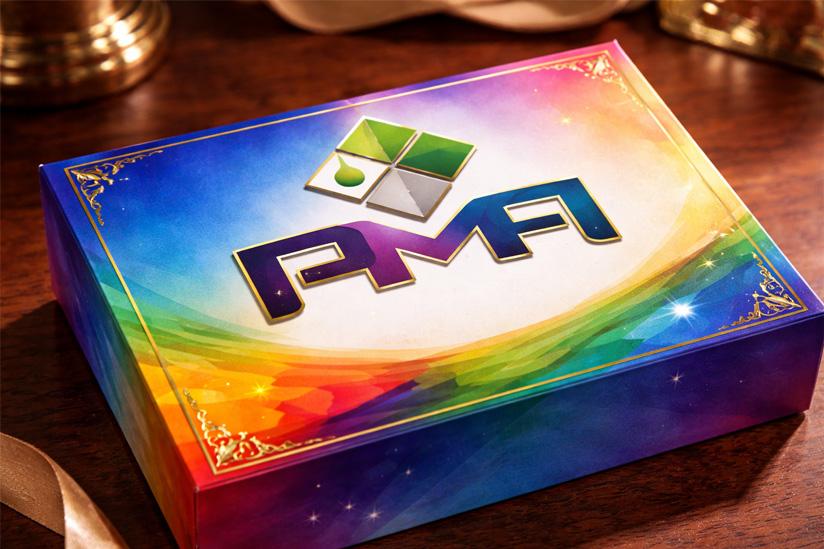
Yes. While rigid boxes are impressive, they are not always the right fit. If the packaging cost outweighs the value it adds, or if the product is sold in a highly cost-sensitive environment, a rigid box may be more than the product requires.
Packaging should support the product, not work against the business model. The goal is to choose a format that aligns with the product’s price point, target customer, and sales channel.
How PM Packaging Helps You Choose the Right Format
At PM Packaging, choosing between a rigid box and a folding carton is not just about selecting a box style. It is about understanding the product, the brand, and the packaging goals behind it.
The right packaging solution depends on questions like:
- How premium should the product feel?
- Does the product need extra protection?
- Will packaging influence the buying decision?
- Is shipping efficiency a top priority?
- What kind of retail or customer experience are you trying to create?
By evaluating these factors, businesses can choose packaging that supports both operational needs and brand growth.
Final Thoughts
When comparing rigid box vs folding carton, there is no one-size-fits-all answer. A rigid box is often the best choice for luxury products, premium presentation, and memorable unboxing. A folding carton is often the better choice for efficiency, scalability, and versatile retail packaging.
The right option comes down to your product, your budget, your market position, and the experience you want your packaging to create.
For some products, the strength and prestige of a rigid box make perfect sense. For others, the flexibility and value of a folding carton are exactly what is needed. The key is choosing packaging that fits both the product and the brand behind it.
If you are evaluating packaging options for a new product or looking to improve your current packaging, PM Packaging can help you determine whether a rigid box or folding carton is the right solution for your application.