
Retail packaging and display terminology can get confusing fast, especially when different terms are used interchangeably. For brands investing in merchandising, understanding the difference matters.
The right display format can influence product visibility, improve shopper engagement, support promotions, and help products stand out in a crowded environment. At PM Packaging, we believe display packaging is about how products are presented and how that presentation supports your sales goals.
What Is an In-Store Display?
An in-store display is the broadest term. It refers to any display structure used inside a retail environment to present products more visibly or strategically.
Common in-store display formats include:
- Floor displays
- Endcap displays
- Sidekick displays
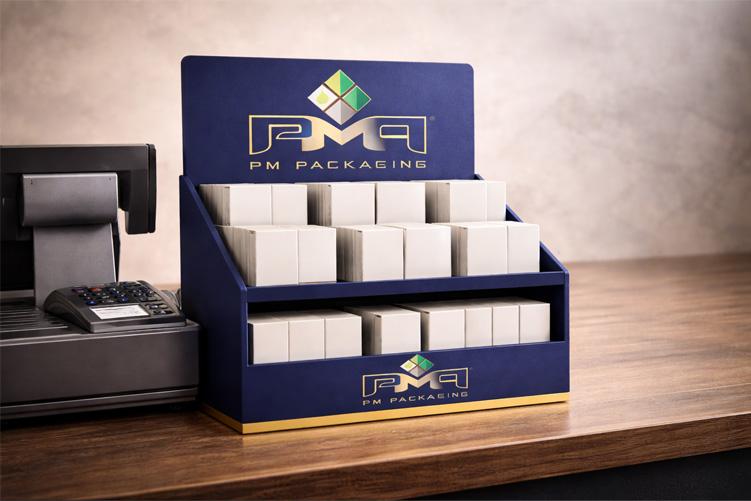
- Counter displays
- Pallet displays
- Power wing displays
- Shelf trays
- Promotional dump bins
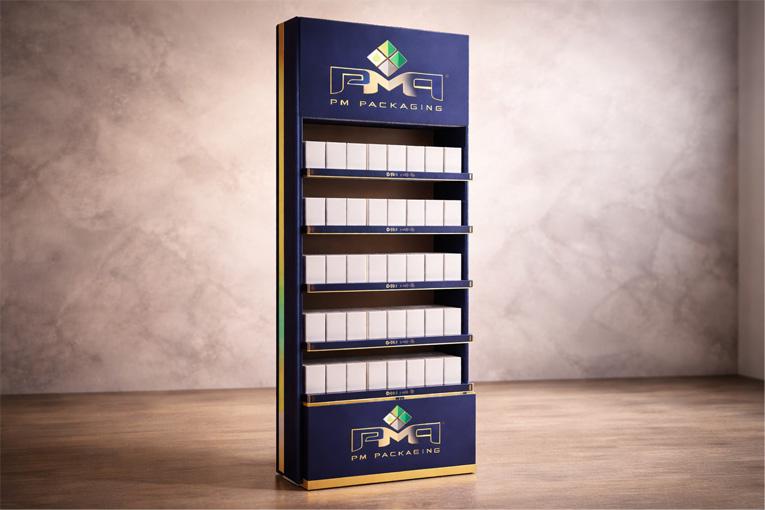
What Is a POS Display (Point of Sale)?
A POS display refers specifically to a display placed at or very near the location where the purchase happens—the checkout area or register.
Typical POS products: Candy, lip balm, snacks, small accessories, and trial-size personal care items.
What Is a POP Display (Point of Purchase)?
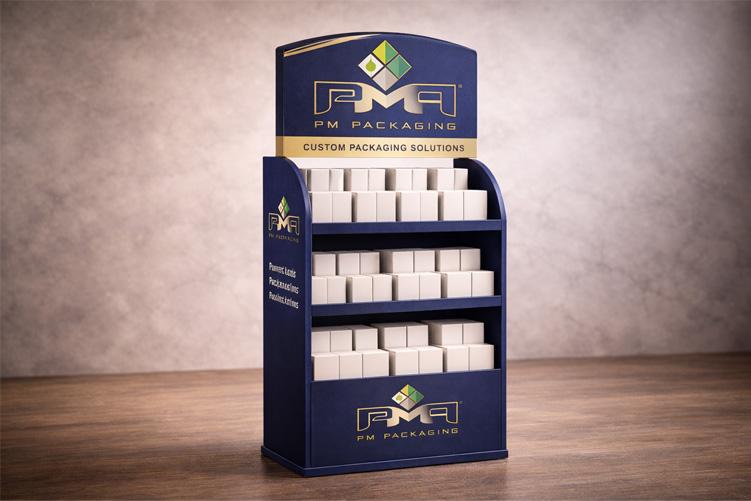
A POP display is broader than POS. It refers to displays placed anywhere in the store where a shopper is likely to make a buying decision, including aisles, endcaps, and specialty zones.
POS (Point of Sale)
Located at the final checkout. Drives impulse conversion at the point of transaction.
POP (Point of Purchase)
Located throughout the store. Influences the decision-making process during the shopping journey.
Why the Distinction Matters for Brands
Choosing the right format affects how your product is seen and used. A display that works as a POS unit may not be the right structure for an endcap promotion. POP floor displays often need stronger branding and higher capacity than checkout units.
At PM Packaging, we approach retail display packaging by aligning it with your product, the setting, and your merchandising objectives. We consider placement, quantity, structural design, and retailer requirements to ensure maximum performance.
Final Thoughts
"The right display starts with the right strategy. Knowing where your customer makes their decision is step one."
Understanding the difference between in-store displays, POS, and POP helps brands communicate more clearly about their needs. When you understand the sales path, you are in a better position to choose a solution that supports visibility, shopper engagement, and conversions.