
When people think about blister packaging, they often focus on the clear plastic blister that holds the product. But one of the most important parts of the package is the printed paperboard backing: the blister card.
The blister card is what gives the package its branding, structure, retail display functionality, and much of its visual impact on the shelf. For companies selling retail products, custom blister cards are not just a minor detail—they are a major part of how the product is presented, protected, and understood by the customer.
At PM Packaging...
Blister cards are an important part of the packaging solutions we provide. For businesses that need retail-ready packaging, custom blister cards offer a wide range of options to help align the package with the product, brand, and merchandising goals.
What Is a Blister Card?
A blister card is the printed paperboard card component used in blister packaging. It serves as the backing or support panel for the clear plastic blister and usually includes the package branding, product information, instructions, barcodes, and display features.
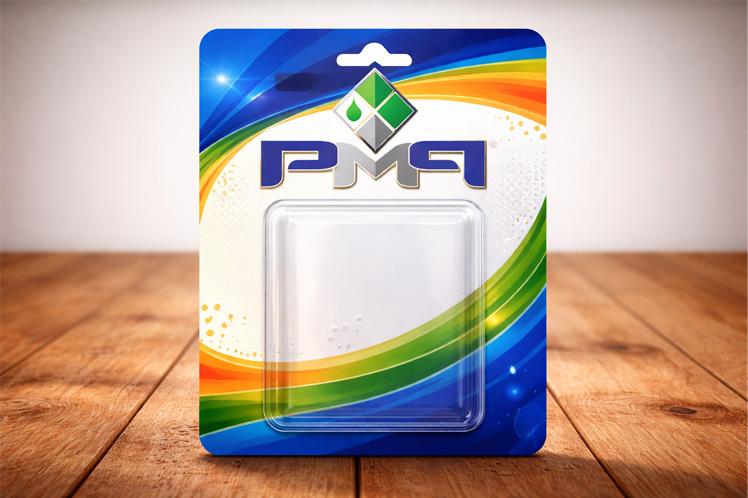
In a retail setting, the blister card does several jobs at once: it supports the plastic blister structurally, gives the package a printable branding surface, communicates product details, and helps the product display properly on peg hooks or shelves.
Why Custom Blister Cards Matter
Custom blister cards allow packaging to be built around the real needs of the product instead of forcing the product into a generic format. This is important because products vary in size, weight, display requirements, and branding needs.
Better shelf presentation
Stand out with unique designs.
Stronger product support
Custom fit for safety.
Effective communication
Clear instructions and features.
Display performance
Optimized for retail peg hooks.
Blister Card Size Can Be Customized
One of the most basic but important customizations is size. The right size depends on factors like product dimensions, weight, and the amount of required compliance information. Custom sizing helps ensure the package feels balanced and functional.
Blister Card Shape Can Be Customized
Blister cards do not have to be plain rectangles. The shape can be customized to better reflect the brand or create a more distinctive appearance at retail. Think rounded corners, angled tops, or contoured edge designs.
Blister Card Structure Can Be Customized
The structure can vary from standard flat backing cards to folded, trapped, or slide blister formats. The choice should support the product securely while matching the desired premium look and feel of the package.
Graphics and Artwork Can Be Customized
Since the blister card is the main printable component, it carries the visual identity of the product. Custom graphics—logos, custom colors, photography, and instructional icons—have a direct impact on shelf appeal and trust.
Coatings and Finishes Can Be Customized
Custom coatings like gloss, matte, or soft-touch effects improve appearance and durability. Protective finishes ensure the card holds up during shipping and high-traffic retail handling.
Hang Holes Can Be Customized
From standard round holes to Euro slots, the hang feature ensures the product displays vertically and stays stable on peg hooks without sagging or tearing.
Material Options Can Be Customized
Board thickness, stiffness, and durability are selected based on product weight. We ensure the material choice balances premium appearance with structural integrity.
Final Thoughts
So, what can be customized on a blister card? The answer includes nearly every major part of the card itself: size, shape, structure, graphics, coatings, hang holes, and material options.
At PMPackaging.com, custom blister cards are a vital tool for brands looking to create packaging that works harder and looks better on the shelf.