
Folding carton packaging is one of the most widely used packaging formats in the world. It is found across countless industries, from food and beverage to cosmetics, pharmaceuticals, electronics, and consumer goods.
If you have ever purchased cereal, toothpaste, skincare, frozen food, or a retail product in a printed paper box, you have likely handled folding carton packaging.
So, what is folding carton packaging? A folding carton is a paperboard box that is printed, cut, folded, and glued to create a lightweight but functional package. It is shipped flat to save space, then folded into shape during the packaging process. Folding cartons are valued because they are cost-effective, highly customizable, easy to brand, and well suited for retail display.
For many businesses, folding cartons offer the right balance of protection, presentation, and production efficiency. They can be simple and practical or elevated with premium finishes that help a product stand out on the shelf.
Understanding the Basics of Folding Cartons
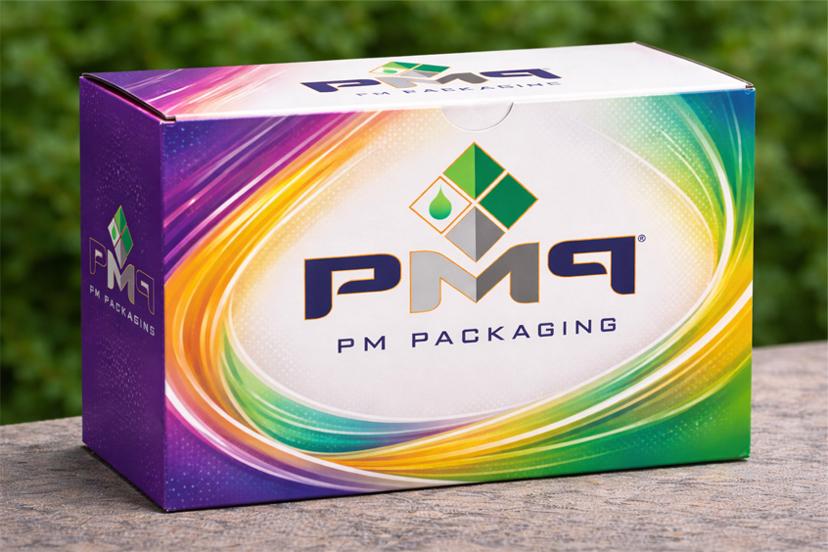
A folding carton begins as a flat sheet of paperboard. That sheet is printed with product graphics, branding, instructions, legal text, and other required information. After printing, it is die cut into a specific shape, creased so it can fold properly, and glued where needed to create a carton structure.
Because the cartons are delivered flat, they are efficient to store and transport before use. Once they reach the packing line, they can be erected and filled either by hand or by automated machinery, depending on the scale of the operation.
This flat-to-formed design is one of the biggest advantages of folding carton packaging. It keeps logistics efficient while still allowing the finished package to look polished and retail-ready.
What Are Folding Cartons Made From?
Folding cartons are typically made from paperboard, which is thicker and more rigid than standard paper but lighter than corrugated board. Several types of paperboard may be used depending on the product, budget, and packaging goals.
SBS (Solid Bleached Sulfate)
A premium white paperboard often used for cosmetics, pharmaceuticals, and higher-end retail packaging.
SUS (Solid Unbleached Sulfate)
A durable, tear-resistant kraft board often coated for printing. Frequently used for heavy products and beverage carriers.
GC1 (Folding Boxboard)
A multi-ply board offering excellent stiffness and printability, popular for cosmetics and premium packaging.
CCNB (Clay Coated News Back)
A cost-effective board often used for dry food, household goods, and value-oriented products.
CRB (Coated Recycled Board)
Made with recycled content and commonly used for many consumer packaging applications.
Poly-Coated Board
Paperboard coated with polyethylene for moisture or grease resistance, essential for frozen foods and direct food contact.
Bending Chip
An economical, uncoated recycled board that is smooth enough to bend without breaking, primarily used for basic inner cartons.
Specialty Paperboards
Used when brands want unique texture, strength, print quality, or sustainability features.
The material choice affects the carton’s print quality, strength, appearance, and price. Premium products often use cleaner, brighter paperboards that support high-end finishes, while more economical products may use cost-driven board options.
How Folding Carton Packaging Is Made
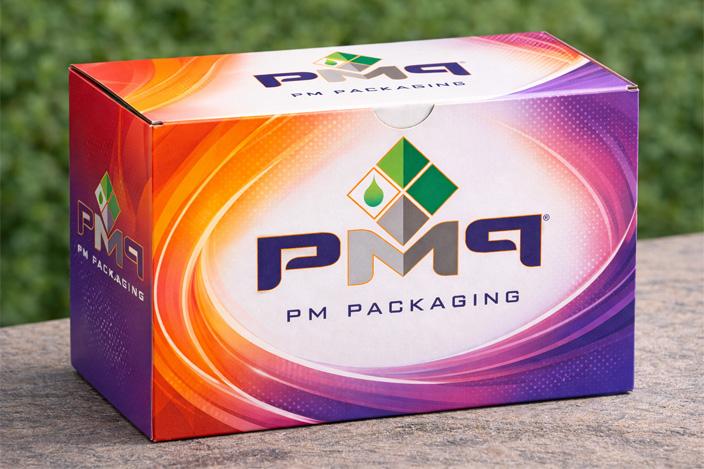
The production process for folding carton packaging combines structural design, printing, and converting. While the exact steps may vary by project, the general process usually includes the following stages:
- Structural Design: The carton is first designed to fit the product properly. This includes determining dimensions, panel layout, closure style, and how the carton will open, close, and protect the item.
- Graphic Design and Prepress: Artwork is created for the carton exterior and sometimes the interior. This includes branding, product information, ingredients, directions, legal copy, barcodes, and visual elements that support shelf appeal.
- Printing: The paperboard is printed using offset, flexographic, or digital printing depending on run size and project needs. This is where the package gets its full color branding and visual identity.
- Finishing: After printing, the carton may receive coatings or specialty finishes such as gloss, matte, soft-touch lamination, foil stamping, embossing, or spot UV.
- Die Cutting and Creasing: The printed sheet is die cut into the carton shape and creased along fold lines so it folds cleanly and consistently.
- Gluing and Folding: A side seam is usually glued so the carton can be collapsed flat and later opened into its final shape on the filling line.
Why Brands Use Folding Carton Packaging
Folding cartons remain popular because they solve multiple packaging needs at once. They are practical, visually flexible, and adaptable across industries.
- Branding Space: Unlike minimal packaging formats, folding cartons provide several printable panels for messaging, storytelling, compliance information, and shelf impact.
- Cost Efficiency: Cartons are generally more affordable than rigid boxes while still offering excellent print quality and a polished appearance.
- Logistics: Because they ship flat before assembly, they save space in storage and reduce transportation costs compared with bulkier formats.
- Versatility: They can package food, cosmetics, health products, electronics, supplements, personal care items, and much more.
Common Types of Folding Carton Styles
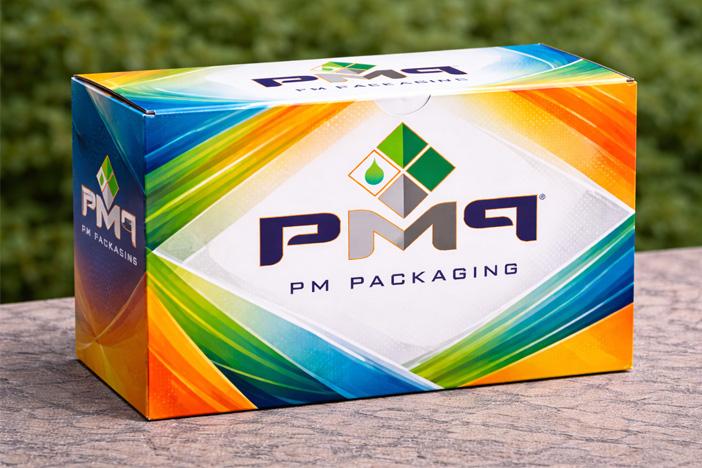
There is not just one kind of folding carton. Different styles are used depending on the product and how the package needs to function.
Straight Tuck End
Both top and bottom flaps tuck in the same direction. Clean appearance, efficient assembly.
Reverse Tuck End
Top and bottom flaps tuck in opposite directions. Popular for lightweight retail products.
Auto Bottom
Bottom structure locks into place automatically. Useful for products needing faster assembly.
Seal End Carton
Ends are sealed after filling rather than tucked. Often used for automated food lines.
Sleeve Style
A sleeve slides over a tray or product container. Used for premium presentation.
Gable/Specialty
Custom structures for unique product needs or distinctive promotional presence.
Industries That Commonly Use Folding Cartons
Folding cartons are used in a wide range of markets because of their flexibility and printability. Some of the most common industries include:
Benefits of Folding Carton Packaging
Folding Carton vs. Corrugated Box
It is helpful to understand the difference between folding cartons and corrugated packaging. While both are paper-based, they are designed for different purposes.
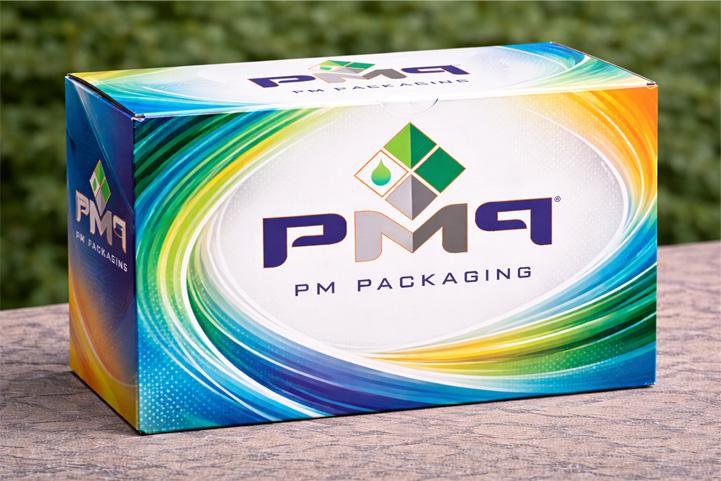
A folding carton is made from paperboard and is typically used as retail or primary packaging. It is lighter, smoother, and better suited for high-quality printing.
A corrugated box, by contrast, is made from fluted corrugated material and is usually used for shipping or transport packaging. It is stronger and more protective for bulk handling, but it is not usually as refined in appearance as a printed folding carton.
Is Folding Carton Packaging Right for Your Product?
Folding carton packaging is a great choice for products that need attractive retail presentation, printed messaging, lightweight structure, and efficient production. It works especially well when shelf appearance matters and the product does not require the heavy-duty strength of corrugated packaging.
Final Thoughts
So, what is folding carton packaging? It is a paperboard packaging format that is printed, cut, folded, and glued into a box that ships flat and is assembled when needed. It is one of the most versatile and widely used forms of retail packaging because it combines branding, functionality, and efficiency in one format.
From food and cosmetics to healthcare and electronics, folding cartons help products look organized, professional, and shelf-ready. Whether used as a simple everyday package or enhanced with premium finishes, folding carton packaging remains a smart solution for brands that want packaging to protect the product while also supporting sales and presentation.