
Blister packaging is one of the most recognizable packaging formats in retail, but many people use the term without fully understanding the parts that make it work.
When most people think of blister packaging, they picture the clear plastic bubble that holds the product in place. That clear formed plastic is certainly important, but it is only one part of the package. The other key part is the blister card.
So, what is a blister card?
A blister card is the printed paperboard card component used in blister packaging. It serves as the structural backing behind the plastic blister and provides the space for branding, product information, instructions, barcodes, and retail display features. In simple terms, the blister card is the printed board that helps turn a plastic blister into a complete retail package.
At PMPackaging.com, understanding packaging formats starts with understanding the role each component plays. A blister card may seem simple at first glance, but it is one of the most important elements in making blister packaging functional, attractive, and retail-ready.
Understanding Blister Packaging as a Whole
To understand what a blister card is, it helps to first understand the overall packaging format. Blister packaging usually consists of two primary components:
- A clear thermoformed plastic blister that holds the product
- A printed blister card that serves as the backing or support structure
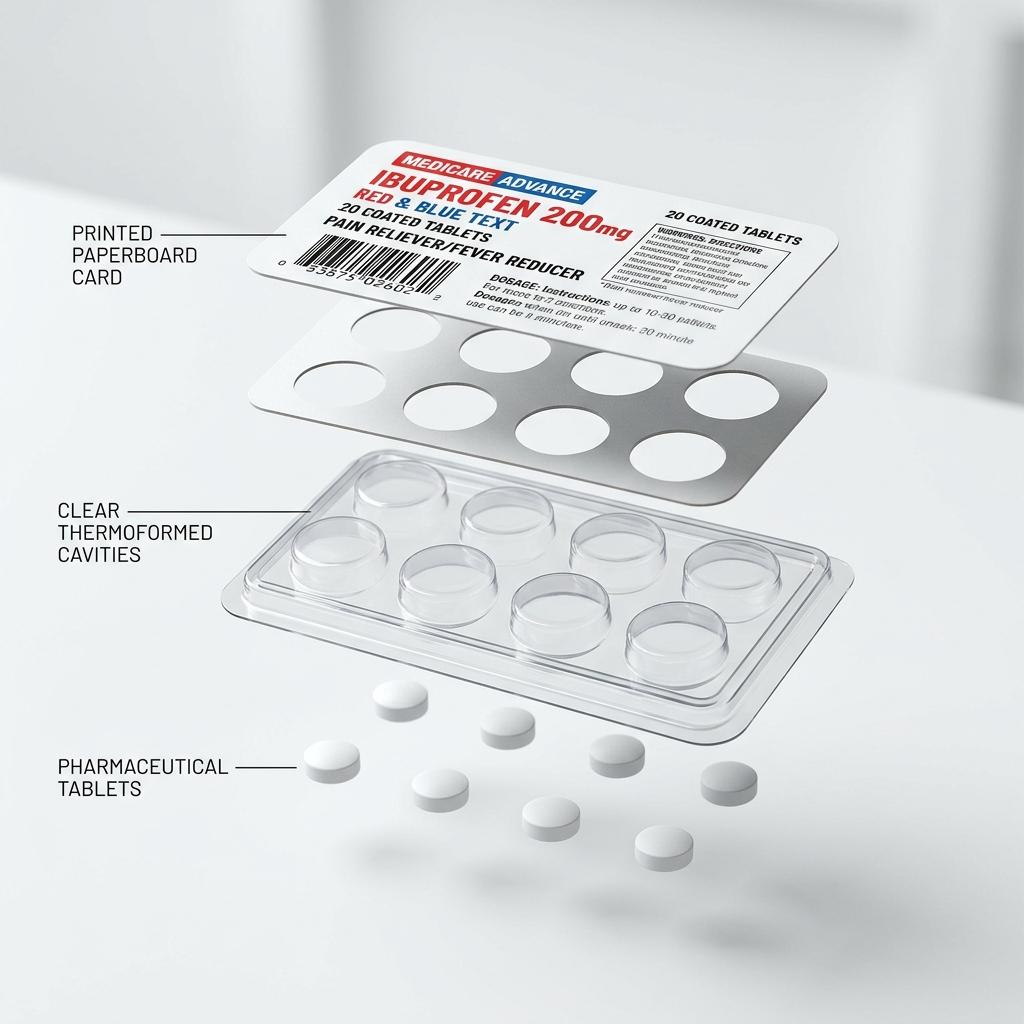
The plastic blister creates a cavity that fits the shape of the product. The blister card closes the package, adds branding, and gives the package the surface area needed for product communication. In many retail environments, the blister card is also what allows the package to hang on a peg hook or fit neatly into a display.
This means the blister card is not just background material. It is a key structural and visual part of the package.
What Exactly Does a Blister Card Do?
A blister card performs several jobs at once. While it may appear to be a flat printed board, it adds much more value than people often realize.
Printed Branding
The card is where most graphics live—logos, colors, and imagery—giving the package its marketing presence and helping it stand out on the shelf.
Product Information
It carries critical details: features, benefits, usage instructions, ingredients, warnings, and barcodes clearly on both the front and back.
Structural Support
It provides the backing for the plastic blister to seal to, creating a stable, flat surface that maintains package integrity.
Retail Display
Features like hang holes or Euro slots allow the package to be displayed vertically, maximizing shelf space and organization.
Why the Blister Card Matters More Than People Think
The blister card is often the first thing a customer notices from a distance. Before they can inspect the product through the clear blister, they see the printed card, its colors, typography, and layout. That first visual impression can influence whether the customer picks up the package or passes it by.
"A well-designed blister card captures attention, builds trust through clear branding, and reinforces product quality and value at first glance."
What Materials Are Blister Cards Made From?
Blister cards are typically made from paperboard or cardstock, depending on the product and packaging requirements. The board needs to be strong enough to support the blister, resist bending in retail conditions, and provide a good printable surface for graphics and text.
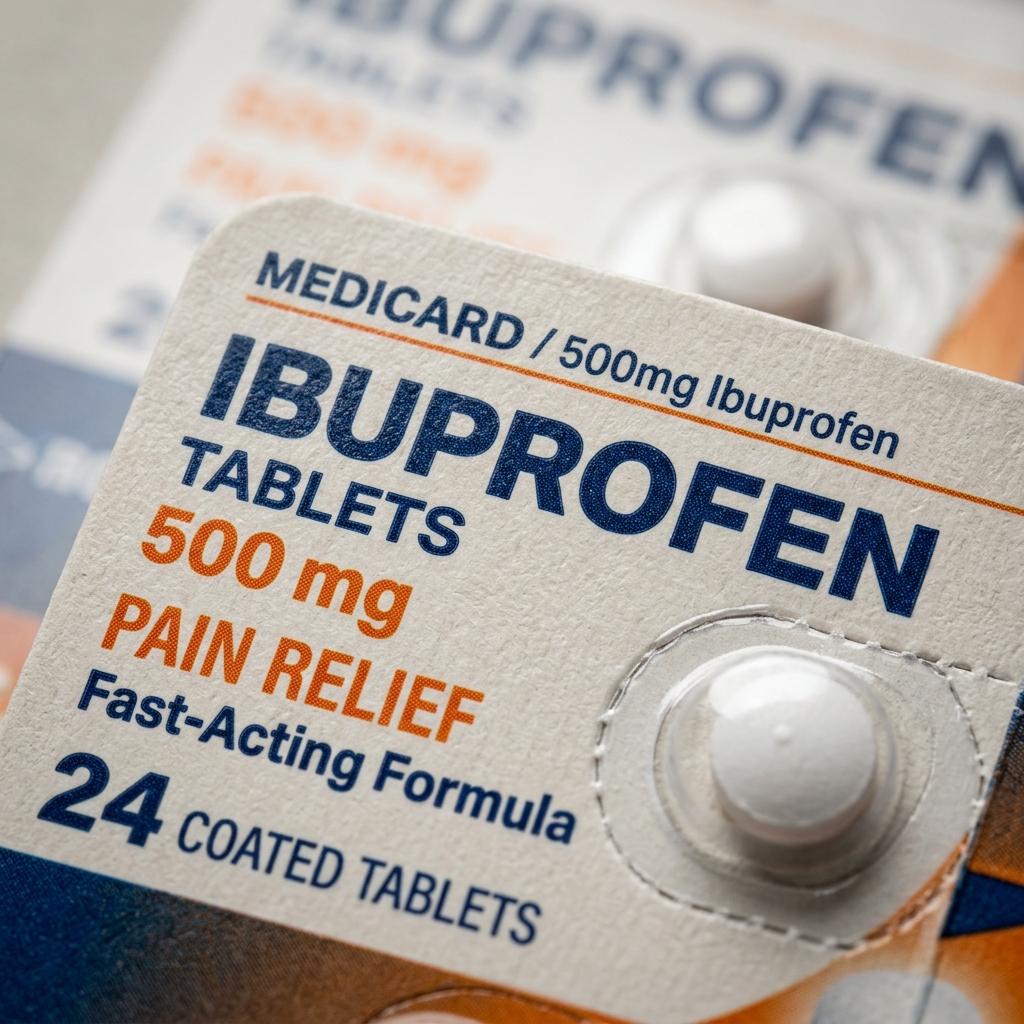
Material Choice Factors:
- Product weight & size
- Sealing method (Heat seal, etc.)
- Retail environment (High humidity, etc.)
- Desired print finish (Gloss, Matte, Spot UV)
- Sustainability and recyclability goals
Common Types of Blister Card Packaging Formats
Not all blister cards are used in the exact same way. Here are the primary Styles you'll encounter:
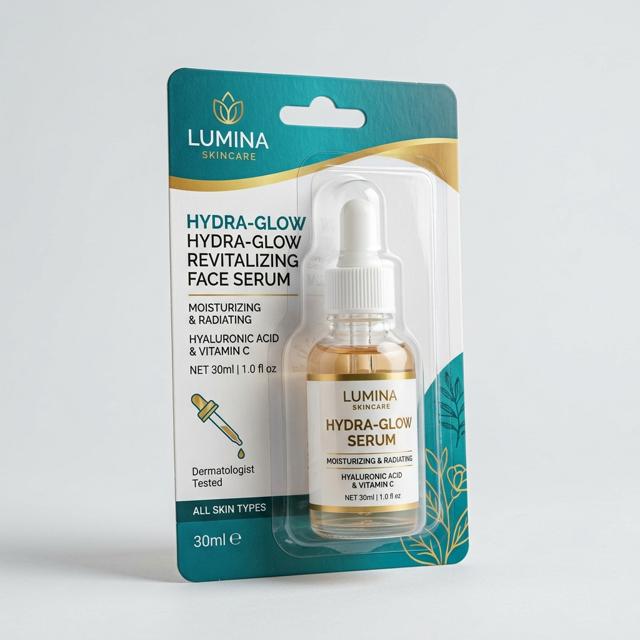
Face Seal Blister Cards
The plastic blister is sealed directly to the front face of the printed card. This is the most common format, offering a clear back panel and branding surface.
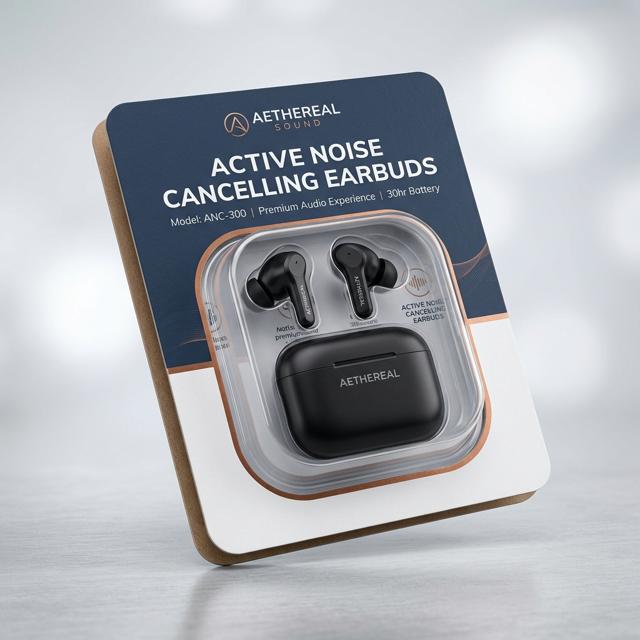
Trapped Blister Cards
The blister is sandwiched between two layers of paperboard. This creates a more refined appearance as the blister edges are hidden, providing a premium feel.
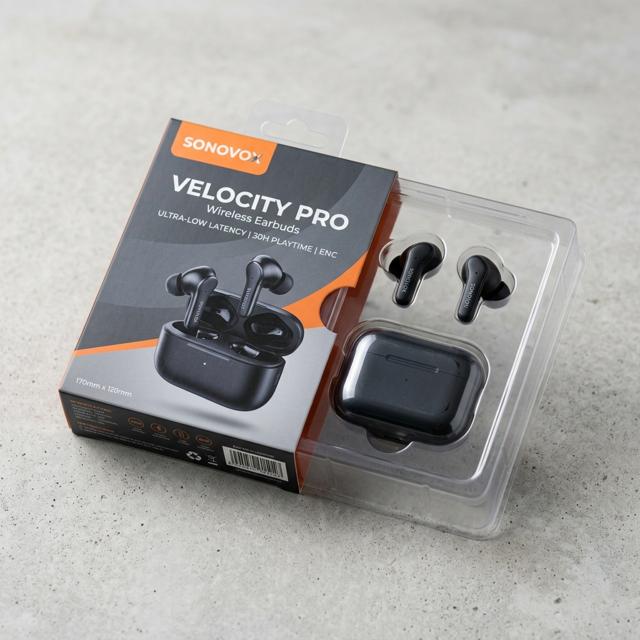
Slide Blister Cards
Uses a folded card that allows the plastic piece to slide into position, often used for items where easy access or re-usability is preferred.
What Products Commonly Use Blister Cards?
Blister cards are use across many retail categories, especially for smaller products that benefit from visibility and hanging display.
The Branding & Functional Importance
For many brands, the blister card is the most valuable branding space in the package. A strong design focusing on clear brand visibility, fast recognition, and clean typography reinforce product quality and value.
Functionally, a well-made card supports package stability, hanging strength, and seal compatibility. If the card is too weak, the package may bend or sag, damaging the retail presentation. This is why treating the printed paperboard as a real packaging element—not just a graphic surface—is critical.
Final Thoughts
So, what is a blister card? It is the printed paperboard card component of blister packaging that provides the backing, branding surface, and retail display support. While the plastic blister gets the attention, the card transforms it into a functional and marketable retail package.
At PM Packaging, we understand that a well-designed blister card does more than support the blister—it supports the product, the brand, and the buying decision.